Dubai Areas

Explore areas by lifestyle, investment objectives and budget. Select an area to view the properties listed there.

Popular areas

Downtown Dubai

Downtown Dubai

If you dream of living in the heart of Dubai, Downtown Dubai could be the right choice for you. As the beating heart of the city, this area offers a combination of prominent landmarks, a modern luxury lifestyle and exceptional amenities. Whether you are planning to move or are simply curious about why this area is so special, let’s explore all the features of Downtown Dubai; from its varied properties to its dynamic community, exceptional amenities and future development plans.

Dubai Hills Estate

Dubai Hills Estate

Palm Jumeirah

Palm Jumeirah

Browse the full area directory

The Valley

The Valley

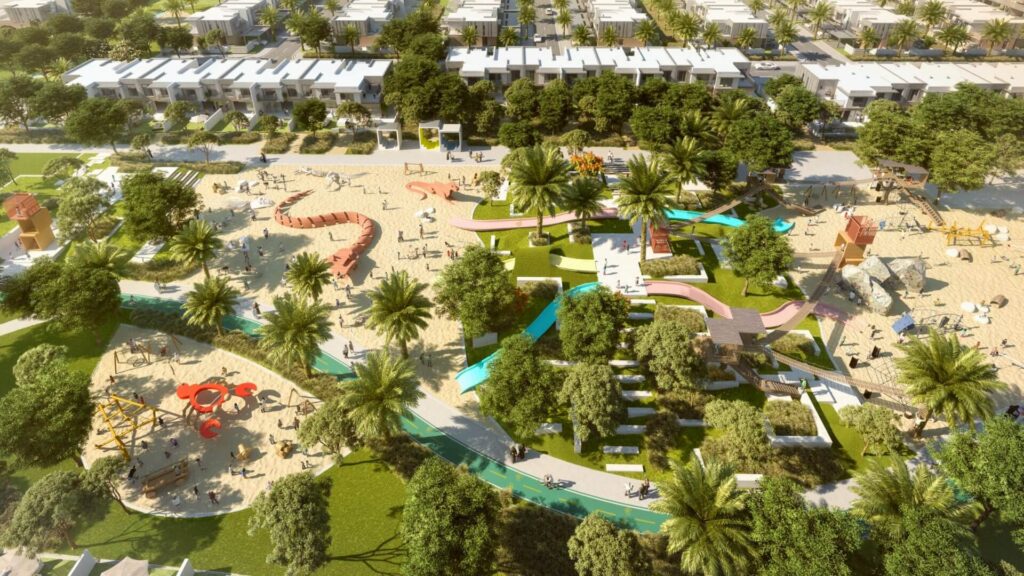
Launched in November 2019, The Valley by Emaar is a notable off-plan development on the Dubai – Al Ain Road. It promises a self-sufficient community with ample amenities. The residential area will be near The Pavilion, a retail center, and a 32,000-square-meter Town Centre featuring indoor and outdoor retail, a farmers’ market, and diverse dining options. Designed with green living in mind, The Valley includes expansive outdoor spaces, sports courts, and playgrounds, making it a family-friendly environment.

Al Jaddaf

Al Jaddaf

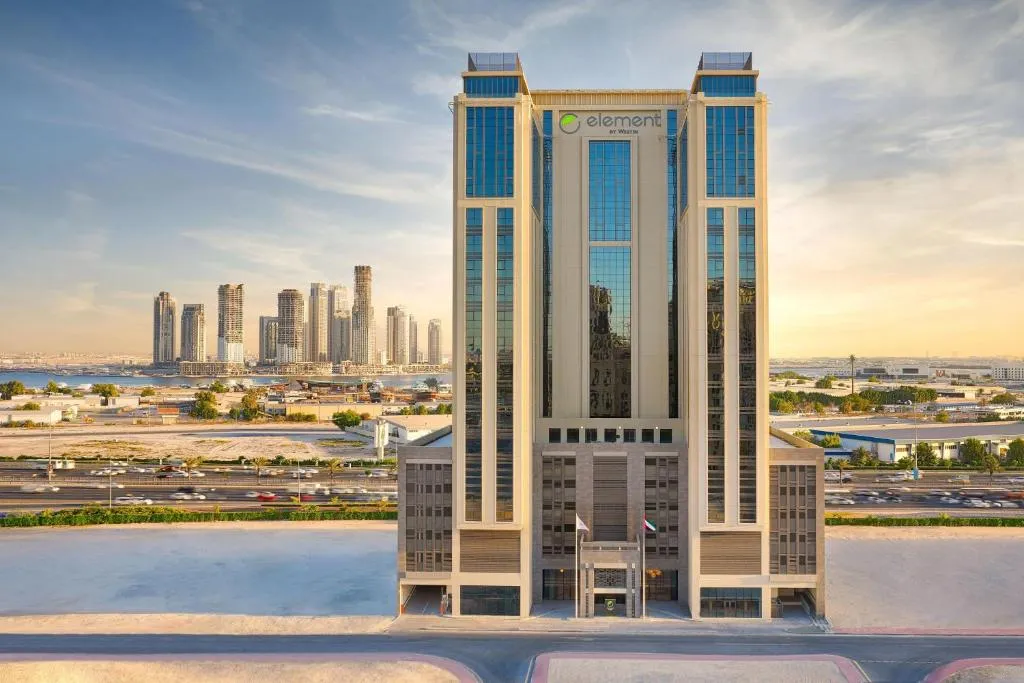
The Al Jaddaf area of Dubai is one of the city’s growing neighbourhoods and, due to its favourable location and modern amenities, has quickly become one of the popular areas for living and investment. With a combination of excellent accessibility, urban lifestyle and varied amenities, this area has attracted the attention of many buyers and investors.

Dubai Investment Park

Dubai Investment Park

Dubai Investments Park, known by the abbreviation DIP, is one of Dubai’s large, multi-purpose areas, combining residential, commercial and industrial spaces. With modern infrastructure, a convenient location and a growing community, this area has become one of Dubai’s important locations for living, working and investing.

Meydan

Meydan

Are you looking for a community that combines tranquillity with modernity? Meydan is one of Dubai’s fast-growing neighbourhoods that offers exactly that. Just a short distance from Downtown Dubai, this area is quickly becoming one of the top destinations for people looking to live in a quieter and more spacious part of the city, while still having access to all of Dubai’s amenities and attractions.

Rashid Yachts & Marina

Rashid Yachts & Marina

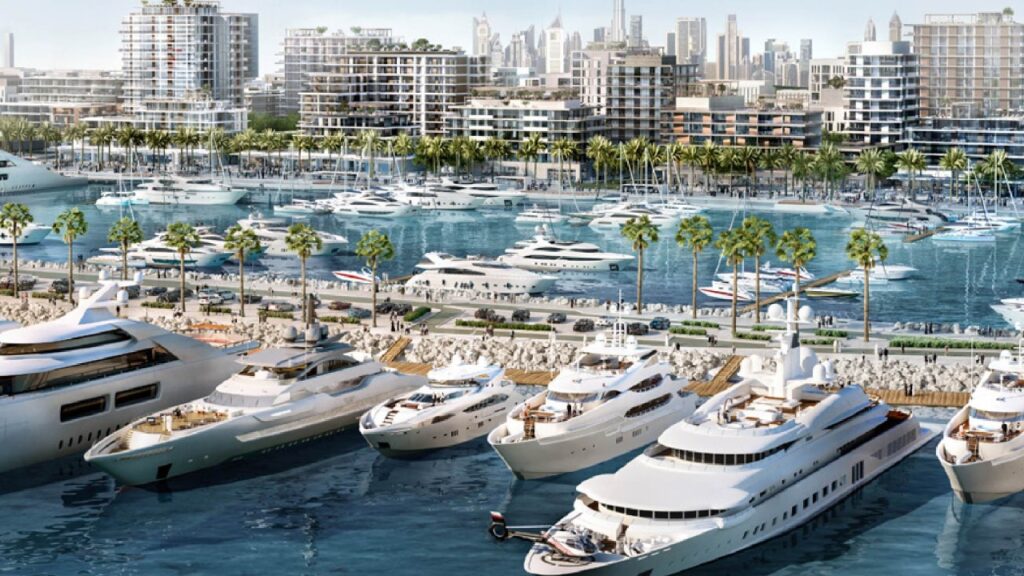
Rashid Yachts & Marina is one of Dubai’s new and luxury waterfront projects, developed within the historic port of Mina Rashid. The area has been designed by the major developer Emaar Properties, with the aim of transforming one of Dubai’s oldest ports into a modern residential community with a marina and a marine lifestyle.

Dubai Land

Dubai Land

Dubai Land is one of Dubai’s largest and fastest-growing urban areas, offering a combination of modern living, extensive amenities and convenient access to key parts of the city. It is designed as a vast mixed-use development and includes a range of residential neighbourhoods, leisure centres, retail destinations and investment projects.

Dubai South

Dubai South

Dubai South, where innovation combines with convenience, is a growing and exciting area that is changing the face of Dubai. This area, with its modern infrastructure and advanced urban design, is considered an ideal choice for investors, residents and those seeking new opportunities.

Expo City Dubai

Expo City Dubai

Expo City Dubai is considered one of the most ambitious and forward-looking master-planned communities in this emirate, designed as a model for future urban development. This area was created on the legacy site of Expo 2020 Dubai and has evolved into a sustainable, innovative and mixed-use urban community designed for residents, businesses and international visitors.

Dubai Lifestyle City

Dubai Lifestyle City

Dubai LifeStyle City is not just a residential area; it offers a complete lifestyle. This urban community is located in one of Dubai’s developing areas and provides residents with a combination of modern city living, peaceful spaces and advanced amenities.

Arabian Ranches 3

Arabian Ranches 3

Arabian Ranches 3 was Launched in 2019 by Emaar Properties, Arabian Ranches III is a new phase in the Dubailand area, offering over 4,000 villas and residences in well-planned clusters. It boasts a 30,000 square meter Central Park, sports courts, a clubhouse, retail center, dining options, and a 4-km promenade with a lazy river. The community is accessible via major roads like Emirates Road (E611) and Sheikh Mohammed Bin Zayed Road (E311), with easy connections to the rest of Dubai. Arabian Ranches III is a gated villa community with luxurious amenities, including sports courts, a mosque, and a host of recreational facilities, set to enhance Dubai’s suburban landscape.

Town Square

Town Square

Town Square Dubai area is one of the master-planned residential projects in southern Dubai, developed by Nshama Group. This residential community lies along Al Qudra Road (D63) and, with a mix of apartment communities, townhouses and extensive green spaces, has become one of the popular areas for family living.

Morocco Cluster International City Dubai

Morocco Cluster International City Dubai

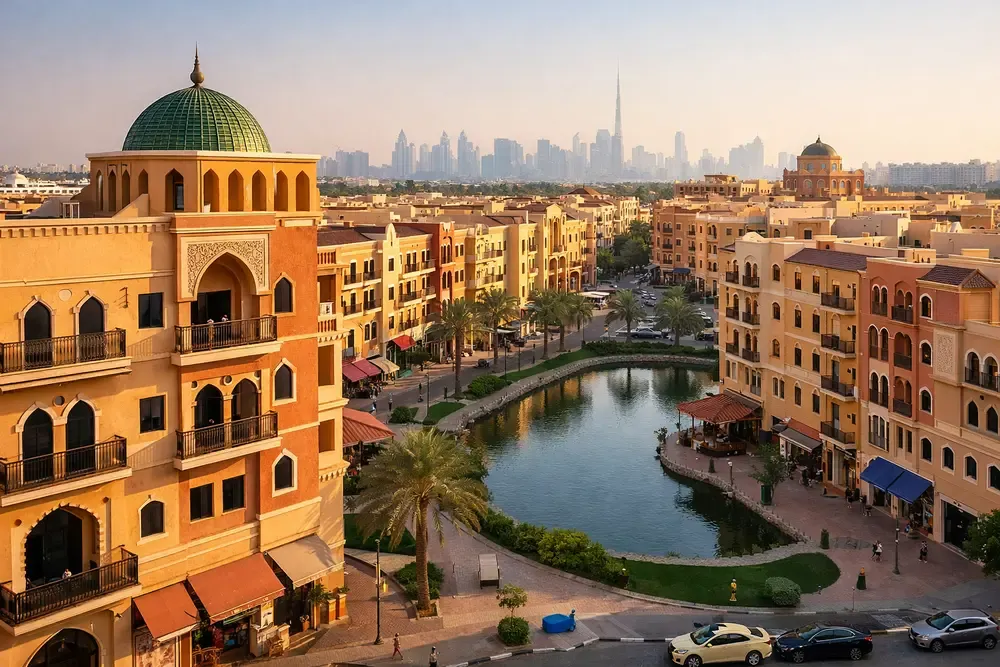
Morocco Cluster in International City, Dubai, is one of the residential neighbourhoods with a distinctive architectural theme, designed with inspiration from traditional North African and Moroccan architecture. This area is part of the larger International City master development and has been developed with the aim of providing affordable housing alongside good urban accessibility.

Mohammed Bin Rashid City

Mohammed Bin Rashid City

Mohammed Bin Rashid City (MBR City) is one of the largest and most important urban development projects in Dubai, designed with the aim of creating a modern, luxury, and mixed-use community. This area offers a combination of high-end residential living, leisure spaces, commercial centres and urban nature and is recognised as one of the main destinations for living and investing in Dubai.

Sheikh Zayed Road

Sheikh Zayed Road

Dubai Sheikh Zayed Road (Sheikh Zayed Road – SZR) is one of the most important and best-known urban corridors in Dubai and is recognised as a key transport backbone and one of the city’s main centres of commercial and residential activity. This highway is considered one of Dubai’s most important transport arteries and connects different parts of the city to one another.

Motor City

Motor City

Motor City is one of Dubai’s distinctive and popular residential areas, offering a mix of residential, commercial and leisure space within a planned environment. Inspired by the world of motorsport and cars, the area has a different identity from many other neighbourhoods in Dubai.

DuBiotech

DuBiotech

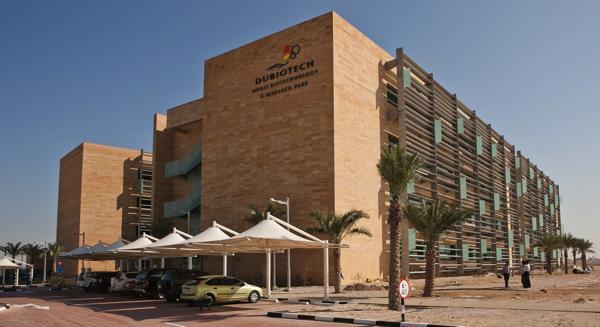
Dubai Science Park (Dubai Science Park – DSP), formerly known as DuBiotech, is one of Dubai’s specialised areas, designed specifically for the development of life sciences, scientific research, pharmaceuticals, energy and environmental technologies. This area is located in Al Barsha South and forms part of a network of specialised free zones developed by TECOM Group.

Dubai International Academic City

Academic City

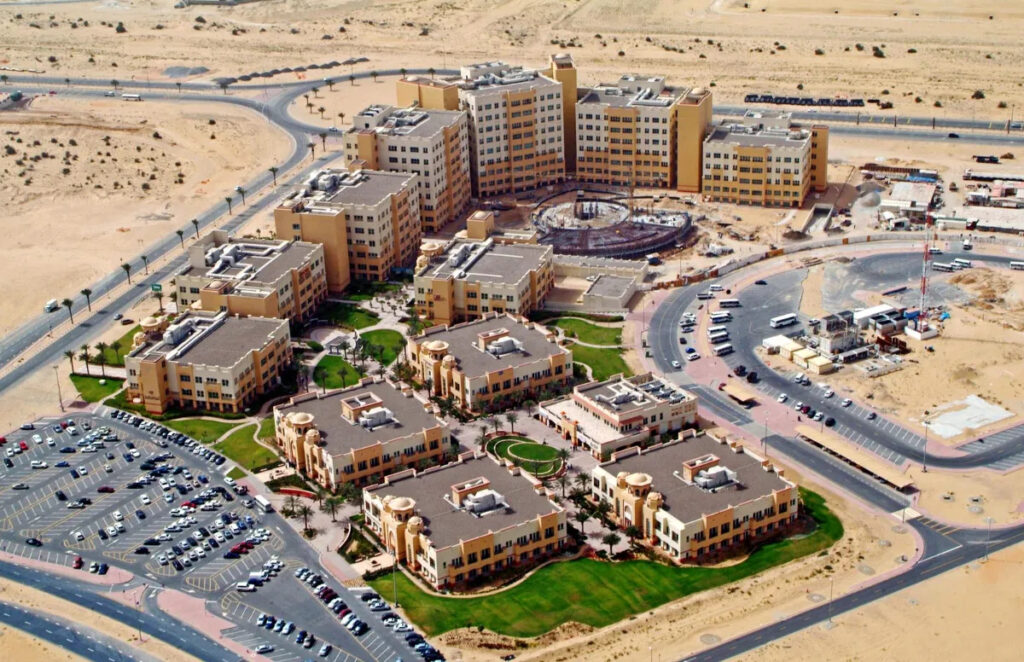
Academic City is Dubai’s dedicated higher education district, offering a calm suburban environment centred around universities, innovation hubs and educational institutions. With good access via major highways, a multicultural population, and proximity to lifestyle amenities in surrounding neighbourhoods, it appeals to students, academics and professionals looking for a quiet, affordable and purpose-driven neighbourhood designed to support academic growth and personal development.

Mudon

Mudon

Mudon is one of Dubai’s growing residential areas, offering a combination of suburban tranquillity and good access to the city. Designed with family villas and townhouses, extensive green spaces and modern amenities, the area suits different lifestyles.

Jumeirah Golf Estates

Jumeirah Golf Estates

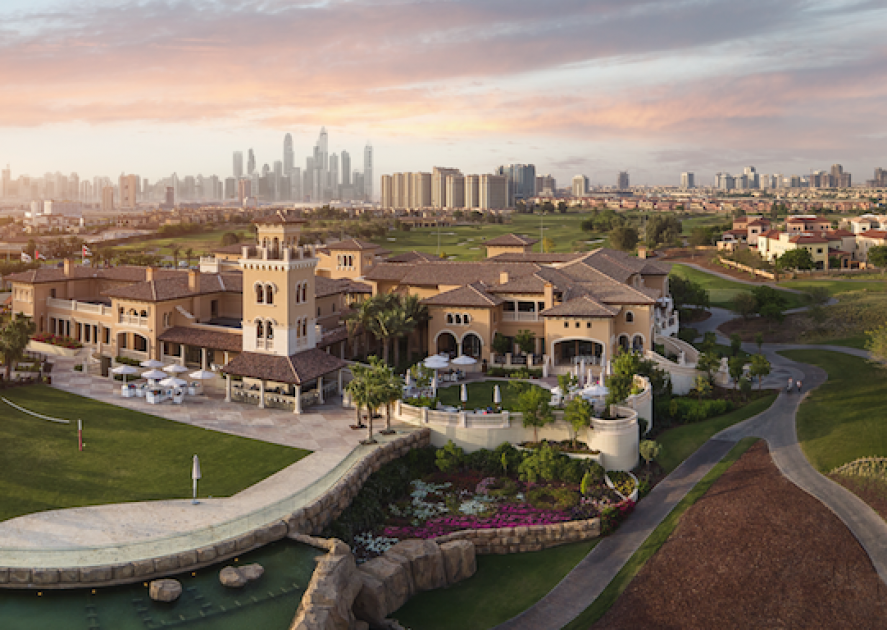
The Jumeirah Golf Estates area in Dubai is one of Dubai’s most luxurious and best-known residential areas, recognised for the villas and apartments built around world-famous golf courses. These golf courses host the international DP World Tour Championship Dubai, and this has given the area a special place among Dubai’s residential developments.

Abu Dhabi Gate City

Abu Dhabi Gate City

Abu Dhabi Gate City is one of the important residential areas at the eastern entrance to Abu Dhabi city, located near the border between Abu Dhabi and Dubai. The area was mainly developed by Baniyas Investment and Development Company and was designed as a mixed-use residential district that offers residents beachfront living and water views along Maqta Canal.

Murqquab

Murqquab

Murqquab is one of the low-density, semi-rural areas in the south-eastern part of Dubai, known for its expansive desert land, agricultural land use and large residential plots. Unlike many urban areas of Dubai that have developed around towers and high-density communities, Murqquab offers a different environment; one based on space, privacy and large-scale land ownership.

Al Furjan

Al Furjan

Al Furjan Dubai is one of the city’s popular and growing neighbourhoods, known for its dynamic atmosphere, modern infrastructure and strategic location. The area is well positioned between Sheikh Zayed Road and Sheikh Mohammed Bin Zayed Road, and offers very good access to different parts of the city.

Abu shagara

Abu shagara

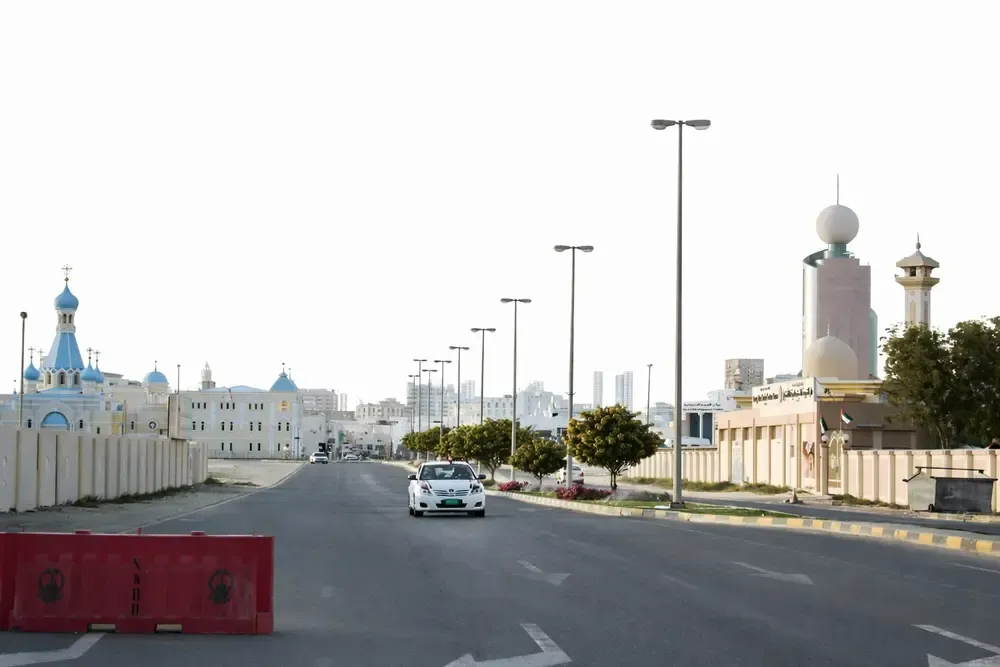
Abu Shagara is one of the old and well-known residential neighbourhoods in the emirate of Sharjah, located in a strategic position near the Dubai-Sharjah border. Although it is often associated with Dubai because of the large number of residents who commute to Dubai for work, administratively the area is considered part of the emirate of Sharjah. In recent years, Abu Shagara has become one of the most popular residential areas for people on a medium income, especially those who work in Dubai but are looking for a more affordable place to live.

Al Yelayis 1

Al Yelayis 1

Al Yelayis 1 is one of the developing residential areas in Dubai, located in the central part of this emirate and forming part of the Al Yalayis area cluster. The area is situated between major roads such as Emirates Road (E611) and Lehbab Road (E77), and has good accessibility to other parts of the city.

Jumeirah Village Circle

Jumeirah Village Circle

Jumeirah Village Circle (JVC) is one of the most popular and in-demand residential areas in New Dubai, designed and built by the major developer Nakheel. With extensive green space, parks and quiet streets, this residential community offers a suitable environment for family living and provides a blend of modern city life and a calm neighbourhood atmosphere.

Trade Centre

Trade Centre

Dubai Trade Centre area is one of the most important and most central commercial and office areas of Dubai, located along Sheikh Zayed Road. Due to the presence of exhibition centres, office towers, luxury hotels and excellent access to public transport, this area is known as one of the main hubs for business and international events in Dubai.

Al Wasl

Al Wasl

Al Wasl is one of Dubai’s central and well-known areas, and it reflects the city’s dynamic spirit very well. The area’s prime location has made Al Wasl one of the most popular neighbourhoods for living, working and commercial activities. The combination of residential, commercial and leisure spaces has created a balanced and lively environment for residents and visitors alike.

Explore Dubai on the map

Select a marker to read more about the area.

Understanding different types of areas in Dubai

Area names and landmarks are only the starting point. If you are investing, setting up a business or choosing where to live, it helps to examine Dubai more closely. For property purchases and company formation, two distinct questions matter:

  • Property ownership rights: for example, freehold ownership in designated areas where eligible foreign buyers can own property outright;
  • Business structure: whether a company operates on the mainland or within a free zone.

Understanding these structures helps you assess the rights, restrictions and advantages relevant to an investment. Property ownership and business licensing are separate matters, so the categories can overlap in the same location.

Freehold ownership allows an eligible non-UAE buyer to own property without a fixed expiry date in a designated area, with ownership registered in the buyer’s name. The interest in the land and any common areas depends on the registered property structure; an apartment owner does not individually own the entire plot. Sale, letting and inheritance follow the applicable rules. Free zones, by contrast, are business jurisdictions designed to attract investment, typically allowing full foreign company ownership and offering administrative, tax or customs advantages subject to their conditions. Companies operate under the relevant free-zone authority. The treatment of imports, exports and the transfer of profits or capital depends on the applicable framework.

Full foreign ownership is also available for many mainland business activities under the UAE’s company-law framework. Free zones should therefore be compared by their regulatory structure, customs arrangements and permitted activities, rather than ownership alone. The mainland is the main framework for businesses operating across the local market. Knowing the property’s ownership status and the intended company jurisdiction helps you assess the relevant rights, restrictions and opportunities more accurately.

This guide examines freehold ownership, free-zone business structures and mainland operations in turn. It explains their features and advantages through examples of established Dubai locations, helping you compare where to buy property, where to establish a company and which combination fits your objectives.

Browse the area list on this page and select a location for more information about related projects. You can also contact our team using the messaging or telephone details provided.

Types of areas in Dubai: freehold ownership

In Dubai’s designated freehold areas, eligible foreign buyers, including non-residents, can acquire property ownership without a fixed expiry date. Ownership is registered with the Dubai Land Department (DLD). The rights to sell, let, mortgage, gift or pass on the property to heirs are governed by the title, property structure and applicable law. For an apartment, the associated interest in common property is shared rather than exclusive ownership of the entire building or plot.

For many investors, freehold areas are an important part of Dubai’s property market. They offer opportunities to pursue capital growth and rental income and, where the purchase meets the requirements, to apply through a property-based residency route.

Key features of freehold areas

Several features distinguish freehold ownership:

  • Ownership without a fixed expiry date
  • The buyer owns the registered property interest, including the relevant land or shared interest in common property, rather than only a long lease or a usufruct right, which is a right to use and benefit from property.
  • The property can form part of inheritance and long-term family planning, subject to the relevant succession rules.
  • An official DLD Title Deed
  • Ownership is recorded in the official land-registration system.
  • Registration provides formal evidence of title and supports legal clarity; it does not remove the need to review the transaction.
  • Availability in designated areas
  • For non-UAE, non-GCC buyers, freehold ownership is available in designated areas. Other rights, such as long leases or usufruct, may be available where legally permitted; they should not be assumed to apply in every other area.
  • A broad choice of Dubai neighbourhoods
  • Established investment locations such as Downtown Dubai, Dubai Marina, Jumeirah Village Circle, Dubai Hills Estate and Dubai Creek Harbour include freehold property.

These features make freehold property worth considering for buyers with a long time horizon and an investment objective. Suitability still depends on the particular location, property and price.

Advantages of freehold ownership in Dubai

In practical terms, the advantages can be considered under five headings:

  • Ownership protection and legal clarity. The legal framework, DLD registration and oversight by DLD and the Real Estate Regulatory Agency (RERA) provide a basis for establishing and protecting property rights.
  • Control over sale and use. Owners can sell, let or mortgage a property in accordance with the relevant agreements and procedures. Operating a holiday home also requires the applicable Department of Economy and Tourism (DET) registration and approval, alongside community requirements.
  • Capital-growth potential in established locations. Freehold areas such as Downtown Dubai, Dubai Marina, Business Bay, Jumeirah Village Circle and Dubai Hills Estate have experienced periods of price and rental growth. Compare the relevant dates and property types when assessing that history.
  • Potential support for a residency application. An eligible property purchase may support a multi-year residence application or Golden Visa, subject to current ownership, investment and documentation requirements.
  • Flexibility in investment strategy. Options range from a studio in Jumeirah Village Circle to a Downtown Dubai penthouse or a Palm Jumeirah villa, allowing buyers to consider different property types and locations within a portfolio.

Examples of Dubai freehold areas

The following examples introduce prominent locations in Dubai’s freehold market. The list is selective, and the title status of a particular property still needs to be checked.

Downtown Dubai

Dubai’s landmark city centre, home to Burj Khalifa and Dubai Mall, is among its best-known premium locations. Investors may consider its location profile, resale market and demand for long-term and permitted short-term rentals, while assessing liquidity at the level of the individual property.

Dubai Marina

A waterfront community near Sheikh Zayed Road, combining residential towers, restaurants and Marina Walk. It is popular with international residents seeking an urban, coastal lifestyle. Rental yields should be compared using the specific property’s price, income and costs.

Palm Jumeirah

The palm-shaped island is known for luxury waterfront villas and apartments. It may appeal to buyers with larger budgets who value the location’s reputation and lifestyle alongside the financial assessment.

Business Bay

A mixed-use district beside Downtown Dubai and Dubai Water Canal, combining residential and office towers with connections to Sheikh Zayed Road and Dubai International Financial Centre. It is relevant to buyers who want proximity to commercial activity as well as central apartment locations.

Jumeirah Village Circle — JVC

A comparatively accessible freehold area with apartments and townhouses. It can be an entry point for buyers with a moderate budget who are considering rental income and family demand, subject to the project and entry price.

Jumeirah Lakes Towers — JLT

A cluster of towers around man-made lakes along Sheikh Zayed Road. The area includes the Dubai Multi Commodities Centre (DMCC) free zone, while also offering freehold property with both office and residential demand. It illustrates how property ownership and business jurisdiction can overlap.

Dubai Hills Estate

A planned community with a golf course, mall, schools, villas and apartments. It may suit families and investors comparing quality of life, developer reputation and capital-growth potential within an upper-middle or higher budget.

Dubai Creek Harbour

An emerging waterfront district on Dubai Creek, with Downtown Dubai views from relevant properties and an urban waterfront concept. Buyers may compare its prices with Downtown and assess the area’s future development potential.

Al Furjan

A mid-market residential community with townhouses and apartments, near Jebel Ali and Dubai Marina. Its family setting and road connections are relevant to buyers comparing rental income and investment considerations; the area name alone does not establish lower risk or stable returns.

Dubai South

Located near Al Maktoum International Airport and Expo City Dubai, this area is closely associated with logistics, aviation and ongoing development. Prices may offer a different entry point from central locations, making it relevant to a medium-term strategy that accounts for the pace of development.

International City

A comparatively affordable area for smaller properties, with an international residential community. It can be considered by investors seeking a lower initial purchase price, alongside the condition, costs and prospects of the individual unit.

Al Barari

A green, lower-density community of luxury villas and natural landscapes. It may suit buyers seeking a distinctive residential offering for the premium market.

Types of areas in Dubai: free zones

Dubai’s free zones are specialised business jurisdictions intended to attract investment, support employment and develop particular industries. They generally allow full foreign company ownership and offer business infrastructure and administrative support. Tax and customs benefits depend on the relevant rules. Federal Corporate Tax also applies in free zones: a Qualifying Free Zone Person can receive 0% treatment on Qualifying Income when the conditions are met, while other taxable income is generally subject to 9%. This is a conditional regime, rather than a blanket exemption.

Freehold concerns property ownership; a free zone concerns the legal and operating framework for business. Each free zone generally focuses on one or more sectors, such as finance, logistics, media, technology or healthcare.

Types of areas in Dubai: free zones

Key features and advantages include:

  • Full foreign company ownership. A local shareholder is generally not required, although activity-specific rules still apply. Many mainland activities also permit full foreign ownership.
  • Conditional tax and customs advantages. Corporate Tax relief depends on the Qualifying Free Zone Person and Qualifying Income rules. Customs treatment depends on the zone, goods and movement of those goods; a free-zone licence does not provide a universal tax or duty exemption.
  • Sector-specific infrastructure. Depending on their focus, free zones provide offices, warehouses, laboratories, studios, data centres or other infrastructure for the relevant industries.
  • Coordinated registration and visa procedures. A single service point can help with company formation, visas, office leasing and administration, subject to the required approvals.
  • Conditions for mainland operations. Eligible free-zone establishments may operate outside their zone in Dubai through the relevant DET branch licence or activity permit, subject to the applicable approvals and rules. The free-zone licence alone does not authorise every mainland activity.

For entrepreneurs involved in exports, online trade or international business-to-business services, a suitable free zone can offer a practical establishment route. Its suitability depends on the activity, intended market and operating requirements.

Examples of Dubai free zones

Among Dubai’s free zones, several established locations provide useful starting points for comparison:

  • Jebel Ali Free Zone — Jafza. Established in 1985 and part of DP World, Jafza is a major logistics and trading hub beside Jebel Ali Port, with connections to the airports.
  • DMCC — Dubai Multi Commodities Centre. Based in Jumeirah Lakes Towers, DMCC serves commodities, trading, crypto-related businesses and business-to-business services. In 2023, it received fDi’s Global Free Zone of the Year award for the ninth consecutive year.
  • DIFC — Dubai International Financial Centre. An international financial hub with a common-law legal framework, serving banking, financial technology, asset management and other financial and professional services.
  • DAFZA — Dubai Airport Freezone. Located beside Dubai International Airport, it serves import/export businesses, air logistics and companies that depend on rapid transport links.
  • Dubai Internet City. A technology and IT business cluster serving software companies, startups, data, cloud computing and digital services.
  • Dubai Media City and Dubai Production City. Business districts focused on media, content production, studios, advertising and broadcasting.
  • Dubai Silicon Oasis — DSO. A technology-focused business district and community combining offices, residential property and infrastructure for high-tech companies.
  • Dubai Healthcare City — DHCC. A specialised healthcare free zone serving hospitals, clinics, medical education and medical tourism.
  • Meydan Free Zone. A company-establishment option for service businesses and online trading, subject to the permitted activity and operating requirements.

Compare your industry, target market, budget and need for a physical presence when choosing between these free zones.

Types of areas in Dubai: the mainland

In business-licensing terms, Dubai’s mainland refers to the jurisdiction outside its free zones. Mainland companies are licensed through the Department of Economy and Tourism (DET) and operate under the applicable mainland regulatory framework.

A mainland structure can offer broader access to the domestic market, allowing a company to supply customers, pursue eligible government contracts and carry out a wide range of commercial, industrial or service activities. Operations in other emirates remain subject to the relevant local licensing and approvals.

Features and advantages of Dubai’s mainland

  • Access to the UAE domestic market. Mainland licensing supports local trade and services within the scope of the licence. Activities and premises in other jurisdictions may require further approvals.
  • Eligibility for government tenders and contracts. A mainland company may qualify for infrastructure, consultancy or public-service opportunities, subject to procurement rules, supplier registration and the requirements of each tender.
  • A broad range of permitted activities. Mainland licensing covers a wide range of commercial, industrial and service activities. Free zones have their own activity lists and sector focus, so compare the exact licence required.
  • A wide choice of office and retail locations. Mainland businesses can consider locations across Deira, Bur Dubai, Sheikh Zayed Road, Al Quoz, Al Garhoud, Al Barsha and other districts, subject to premises and activity approval.

For businesses mainly serving UAE residents, such as retail, restaurants, in-person services or consultancies, a mainland structure is often worth considering for direct access to the local market.

Examples of mainland business locations

Several districts form established centres for commercial and office activity:

  • Deira. A historic trading district with markets, smaller offices and wholesale businesses. It is relevant to traditional trading, licensed exchange services, small offices and retail.
  • Bur Dubai. One of the city’s older districts, combining offices, retail and densely populated residential neighbourhoods. It is an established location for service offices, restaurants and shops.
  • Sheikh Zayed Road and Trade Centre. A major commercial corridor with office towers, hotels and international businesses. It offers locations for corporate, consultancy, legal and financial offices, subject to the relevant licensing.
  • Al Barsha. A mixed-use area with shopping centres, smaller offices and residential property, suitable for considering local services, clinics, education centres and smaller office operations.
  • Al Qusais and Al Nahda. Populated districts in eastern Dubai with residential communities and smaller offices, providing potential locations for schools, clinics, retail and everyday services.
  • Al Quoz. An industrial and workshop district offering warehouses, workshops and furniture showrooms, alongside an arts and gallery presence in parts of the area.
  • Dubai Investments Park — DIP. An integrated industrial, commercial and residential district, with premises for manufacturing, warehousing and logistics, as well as worker accommodation. The relevant activity and premises permissions should be checked for the selected location.

For a business serving the domestic market through a physical location, choosing a suitable mainland address affects costs, brand presence and cash flow.

Final thoughts

The area map becomes more useful when you consider three related questions:

  • Property ownership: designated freehold areas offer eligible foreign buyers ownership without a fixed expiry date in a range of Dubai locations.
  • Business structure: free zones provide specialised jurisdictions, generally with full foreign ownership and conditional tax advantages.
  • Local operations: mainland licensing supports access to the UAE domestic market and a broad choice of business locations, subject to activity and jurisdiction requirements.

For a property purchase, focus on the ownership rights and suitability of the area and asset. For company formation, compare free-zone and mainland structures. If your plan combines property and business, the solution may involve both: for example, a free-zone company alongside personally owned freehold property. A mainland business location does not, by itself, establish a foreign buyer’s property-ownership rights.

The next practical steps are to:

  • Define your budget, time horizon and tolerance for risk;
  • Clarify the intended activity, such as property investment, trading, services or a startup;
  • Use that framework to shortlist suitable locations and examine the possible scenarios with a specialist adviser.

Frequently asked questions about Dubai areas

What is the main difference between freehold, free zones and the mainland in Dubai?

Freehold describes property ownership without a fixed expiry date, available to eligible foreign buyers in designated areas. A free zone is a business jurisdiction with its own licensing authority, generally allowing full foreign company ownership and conditional tax advantages. Mainland companies are licensed through DET for activities outside the free-zone framework. Property rights and business licensing are separate questions.


For a foreign buyer seeking ownership without a fixed expiry date, designated freehold areas are the main starting point. Check the particular property’s title and your eligibility, as well as its suitability for your objectives.


A suitable free zone may work well for international customers or business-to-business services. A mainland structure may suit a business focused on UAE residents and local operations. Compare the licensed activity, customer location, premises, costs and any additional permissions; online delivery alone does not determine the right jurisdiction.


Yes. Owning a company in a free zone does not, by itself, prevent you from buying property personally in a designated freehold area. The purchase must meet the applicable ownership and registration requirements. Buying through the company is a separate question requiring confirmation of that entity’s eligibility.


Jumeirah Village Circle, International City, parts of Al Furjan and selected Dubai South projects may offer lower entry prices than particular properties in Downtown Dubai, Dubai Marina or Palm Jumeirah. Compare actual units and total ownership costs rather than relying on the area label alone.


No. Non-UAE, non-GCC buyers can acquire freehold ownership in designated areas. Long leases, usufruct or other rights may be available where legally permitted. The applicable rights need to be checked for the specific property.


Options include a mainland company with suitable premises, or a free-zone company using an authorised mainland branch, activity permit or an appropriate distribution arrangement. The choice depends on the activity, customer location, budget and approvals. A distributor or representative does not replace a required licence.


The freehold framework provides an established basis for foreign ownership, while designated-area boundaries and related residency requirements can be updated. Before a decision, check current DLD, RERA and other relevant official guidance. Our advisory team can also help you identify the points to investigate.


Start with your available budget, time horizon and tolerance for risk. Then compare an eligible freehold property purchase, company formation in a free zone or on the mainland, or a combination. Build a step-by-step plan with an appropriate specialist, assessing residency eligibility separately from the investment’s growth prospects.

Request advice on choosing an area that fits your investment objectives.

Book a consultation about buying property in Dubai

For advice on Dubai property investment, please enter your name and phone number. Our team will contact you as soon as possible.

Dubai Real Estate Market Report 2026

How has Dubai's property market changed in the eight months following the start of regional tensions?

Explore transaction activity, resale prices, rental trends and economic developments in Hamed Ghelichkhani's latest report.