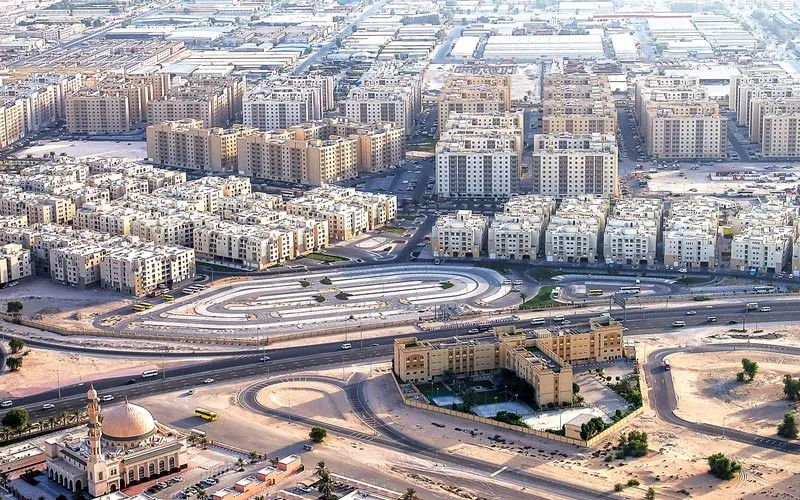
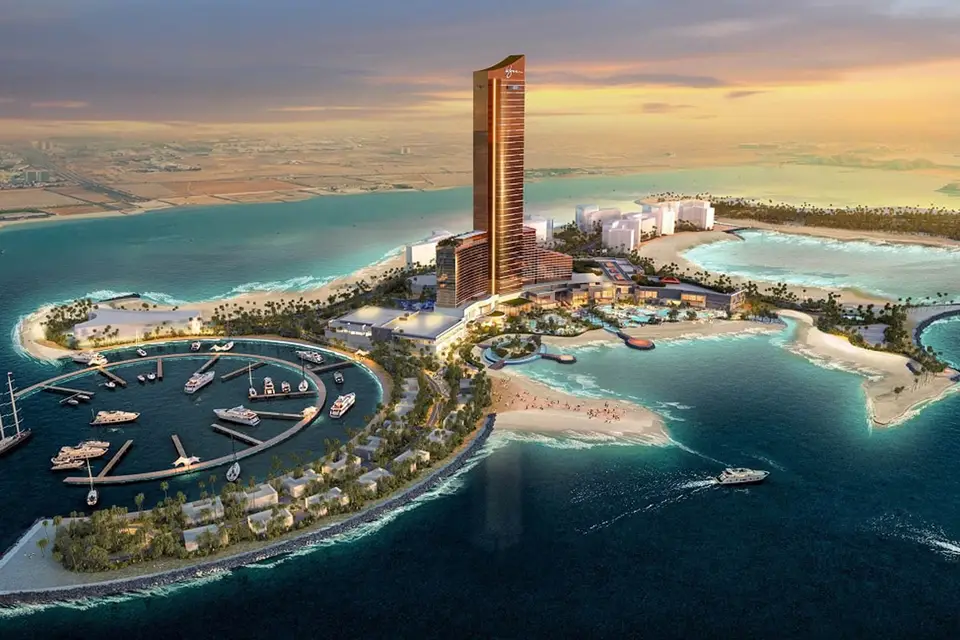
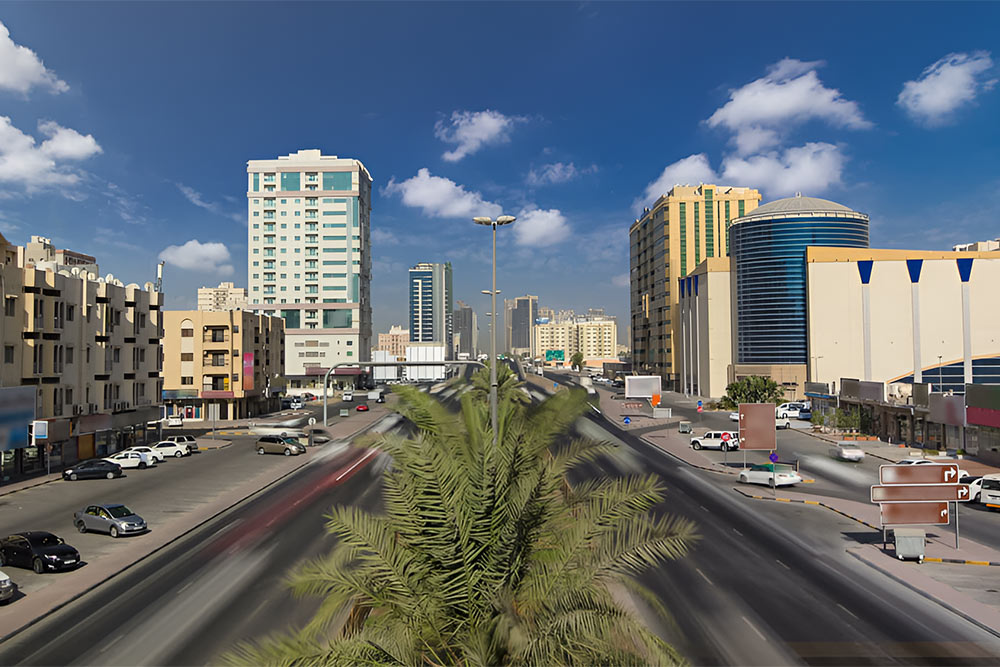
Select a marker to read more about the area.
Area names and landmarks are only the starting point. If you are investing, setting up a business or choosing where to live, it helps to examine Dubai more closely. For property purchases and company formation, two distinct questions matter:
Understanding these structures helps you assess the rights, restrictions and advantages relevant to an investment. Property ownership and business licensing are separate matters, so the categories can overlap in the same location.
Freehold ownership allows an eligible non-UAE buyer to own property without a fixed expiry date in a designated area, with ownership registered in the buyer’s name. The interest in the land and any common areas depends on the registered property structure; an apartment owner does not individually own the entire plot. Sale, letting and inheritance follow the applicable rules. Free zones, by contrast, are business jurisdictions designed to attract investment, typically allowing full foreign company ownership and offering administrative, tax or customs advantages subject to their conditions. Companies operate under the relevant free-zone authority. The treatment of imports, exports and the transfer of profits or capital depends on the applicable framework.
Full foreign ownership is also available for many mainland business activities under the UAE’s company-law framework. Free zones should therefore be compared by their regulatory structure, customs arrangements and permitted activities, rather than ownership alone. The mainland is the main framework for businesses operating across the local market. Knowing the property’s ownership status and the intended company jurisdiction helps you assess the relevant rights, restrictions and opportunities more accurately.
This guide examines freehold ownership, free-zone business structures and mainland operations in turn. It explains their features and advantages through examples of established Dubai locations, helping you compare where to buy property, where to establish a company and which combination fits your objectives.
Browse the area list on this page and select a location for more information about related projects. You can also contact our team using the messaging or telephone details provided.
In Dubai’s designated freehold areas, eligible foreign buyers, including non-residents, can acquire property ownership without a fixed expiry date. Ownership is registered with the Dubai Land Department (DLD). The rights to sell, let, mortgage, gift or pass on the property to heirs are governed by the title, property structure and applicable law. For an apartment, the associated interest in common property is shared rather than exclusive ownership of the entire building or plot.
For many investors, freehold areas are an important part of Dubai’s property market. They offer opportunities to pursue capital growth and rental income and, where the purchase meets the requirements, to apply through a property-based residency route.
Several features distinguish freehold ownership:
These features make freehold property worth considering for buyers with a long time horizon and an investment objective. Suitability still depends on the particular location, property and price.
In practical terms, the advantages can be considered under five headings:
The following examples introduce prominent locations in Dubai’s freehold market. The list is selective, and the title status of a particular property still needs to be checked.
Dubai’s landmark city centre, home to Burj Khalifa and Dubai Mall, is among its best-known premium locations. Investors may consider its location profile, resale market and demand for long-term and permitted short-term rentals, while assessing liquidity at the level of the individual property.
A waterfront community near Sheikh Zayed Road, combining residential towers, restaurants and Marina Walk. It is popular with international residents seeking an urban, coastal lifestyle. Rental yields should be compared using the specific property’s price, income and costs.
The palm-shaped island is known for luxury waterfront villas and apartments. It may appeal to buyers with larger budgets who value the location’s reputation and lifestyle alongside the financial assessment.
A mixed-use district beside Downtown Dubai and Dubai Water Canal, combining residential and office towers with connections to Sheikh Zayed Road and Dubai International Financial Centre. It is relevant to buyers who want proximity to commercial activity as well as central apartment locations.
A comparatively accessible freehold area with apartments and townhouses. It can be an entry point for buyers with a moderate budget who are considering rental income and family demand, subject to the project and entry price.
A cluster of towers around man-made lakes along Sheikh Zayed Road. The area includes the Dubai Multi Commodities Centre (DMCC) free zone, while also offering freehold property with both office and residential demand. It illustrates how property ownership and business jurisdiction can overlap.
A planned community with a golf course, mall, schools, villas and apartments. It may suit families and investors comparing quality of life, developer reputation and capital-growth potential within an upper-middle or higher budget.
An emerging waterfront district on Dubai Creek, with Downtown Dubai views from relevant properties and an urban waterfront concept. Buyers may compare its prices with Downtown and assess the area’s future development potential.
A mid-market residential community with townhouses and apartments, near Jebel Ali and Dubai Marina. Its family setting and road connections are relevant to buyers comparing rental income and investment considerations; the area name alone does not establish lower risk or stable returns.
Located near Al Maktoum International Airport and Expo City Dubai, this area is closely associated with logistics, aviation and ongoing development. Prices may offer a different entry point from central locations, making it relevant to a medium-term strategy that accounts for the pace of development.
A comparatively affordable area for smaller properties, with an international residential community. It can be considered by investors seeking a lower initial purchase price, alongside the condition, costs and prospects of the individual unit.
A green, lower-density community of luxury villas and natural landscapes. It may suit buyers seeking a distinctive residential offering for the premium market.
Dubai’s free zones are specialised business jurisdictions intended to attract investment, support employment and develop particular industries. They generally allow full foreign company ownership and offer business infrastructure and administrative support. Tax and customs benefits depend on the relevant rules. Federal Corporate Tax also applies in free zones: a Qualifying Free Zone Person can receive 0% treatment on Qualifying Income when the conditions are met, while other taxable income is generally subject to 9%. This is a conditional regime, rather than a blanket exemption.
Freehold concerns property ownership; a free zone concerns the legal and operating framework for business. Each free zone generally focuses on one or more sectors, such as finance, logistics, media, technology or healthcare.
Types of areas in Dubai: free zones
Key features and advantages include:
For entrepreneurs involved in exports, online trade or international business-to-business services, a suitable free zone can offer a practical establishment route. Its suitability depends on the activity, intended market and operating requirements.
Among Dubai’s free zones, several established locations provide useful starting points for comparison:
Compare your industry, target market, budget and need for a physical presence when choosing between these free zones.
In business-licensing terms, Dubai’s mainland refers to the jurisdiction outside its free zones. Mainland companies are licensed through the Department of Economy and Tourism (DET) and operate under the applicable mainland regulatory framework.
A mainland structure can offer broader access to the domestic market, allowing a company to supply customers, pursue eligible government contracts and carry out a wide range of commercial, industrial or service activities. Operations in other emirates remain subject to the relevant local licensing and approvals.
For businesses mainly serving UAE residents, such as retail, restaurants, in-person services or consultancies, a mainland structure is often worth considering for direct access to the local market.
Several districts form established centres for commercial and office activity:
For a business serving the domestic market through a physical location, choosing a suitable mainland address affects costs, brand presence and cash flow.
The area map becomes more useful when you consider three related questions:
For a property purchase, focus on the ownership rights and suitability of the area and asset. For company formation, compare free-zone and mainland structures. If your plan combines property and business, the solution may involve both: for example, a free-zone company alongside personally owned freehold property. A mainland business location does not, by itself, establish a foreign buyer’s property-ownership rights.
The next practical steps are to:
Freehold describes property ownership without a fixed expiry date, available to eligible foreign buyers in designated areas. A free zone is a business jurisdiction with its own licensing authority, generally allowing full foreign company ownership and conditional tax advantages. Mainland companies are licensed through DET for activities outside the free-zone framework. Property rights and business licensing are separate questions.
For a foreign buyer seeking ownership without a fixed expiry date, designated freehold areas are the main starting point. Check the particular property’s title and your eligibility, as well as its suitability for your objectives.
A suitable free zone may work well for international customers or business-to-business services. A mainland structure may suit a business focused on UAE residents and local operations. Compare the licensed activity, customer location, premises, costs and any additional permissions; online delivery alone does not determine the right jurisdiction.
Yes. Owning a company in a free zone does not, by itself, prevent you from buying property personally in a designated freehold area. The purchase must meet the applicable ownership and registration requirements. Buying through the company is a separate question requiring confirmation of that entity’s eligibility.
Jumeirah Village Circle, International City, parts of Al Furjan and selected Dubai South projects may offer lower entry prices than particular properties in Downtown Dubai, Dubai Marina or Palm Jumeirah. Compare actual units and total ownership costs rather than relying on the area label alone.
No. Non-UAE, non-GCC buyers can acquire freehold ownership in designated areas. Long leases, usufruct or other rights may be available where legally permitted. The applicable rights need to be checked for the specific property.
Options include a mainland company with suitable premises, or a free-zone company using an authorised mainland branch, activity permit or an appropriate distribution arrangement. The choice depends on the activity, customer location, budget and approvals. A distributor or representative does not replace a required licence.
The freehold framework provides an established basis for foreign ownership, while designated-area boundaries and related residency requirements can be updated. Before a decision, check current DLD, RERA and other relevant official guidance. Our advisory team can also help you identify the points to investigate.
Start with your available budget, time horizon and tolerance for risk. Then compare an eligible freehold property purchase, company formation in a free zone or on the mainland, or a combination. Build a step-by-step plan with an appropriate specialist, assessing residency eligibility separately from the investment’s growth prospects.
Request advice on choosing an area that fits your investment objectives.
Book a consultation about buying property in Dubai
For advice on Dubai property investment, please enter your name and phone number. Our team will contact you as soon as possible.

Dubai Real Estate Market Report 2026
How has Dubai's property market changed in the eight months following the start of regional tensions?
Explore transaction activity, resale prices, rental trends and economic developments in Hamed Ghelichkhani's latest report.