News

Dubai International Financial Centre (DIFC) achieved its highest performance in its history in the first half of 2025, with new company incorporations rising by 32 per cent to 7,700 active companies. The number of employees also increased by 9 per cent to 47,901. Key financial sectors such as hedge funds grew by 72 per cent, while fintech and innovation firms rose by 28 per cent. In real estate, the DIFC Heights project sold out in just three days, and more than 1.6 million square feet of commercial space is under development.
Meraas introduced the latest phase of the Nad Al Sheba Gardens project, which includes plots and villas suitable for family living and investment. This phase offers the expansion of residential space with a variety of unit sizes and designs, and is located in an environment with green space, access to parks, schools, shopping centres and dining. The project is being delivered in phases and with flexible payment terms, and it aligns with Dubai’s long-term development goals while responding to demand for suburban homes in a connected yet calm environment.
Dubai’s property market saw record-breaking performance in the first half of 2025, with transaction value reaching AED 431 billion — a 25% increase from AED 345 billion in the first half of 2024.
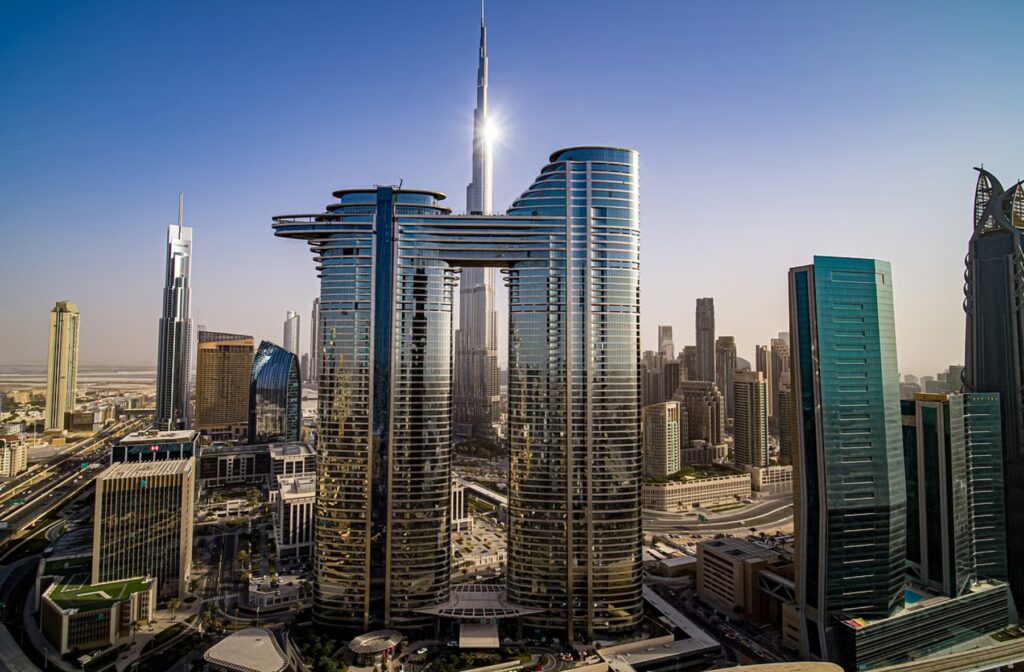
Dubai now ranks among the world’s top four cities by the number of skyscrapers above 150 metres, standing in fourth place after Hong Kong, Shenzhen and New York. Across the UAE there are more than 200 tall buildings, including more than 30 supertall buildings over 300 metres in height, 33 of which are in Dubai—the highest number in the world. Landmark towers such as Burj Khalifa, Burj Al Arab, Marina 101, Emirates Towers, Capital Gate, One Za’abeel, Il Primo and Almas Tower have given Dubai’s skyline a distinctive character. Abu Dhabi and Sharjah are also expanding and contributing to the country’s rapid vertical growth.
Ras Al Khaimah has taken an important step in the growth of its property market through the development of Al Hamra Village – the emirate’s first freehold area. This development includes the construction of luxury townhouses and villas in the island project Falcon Island (with more than 500 units), as well as one- to three-bedroom apartments with marina views in the Al Hamra Waterfront area. Easy access to the beach, golf course, marina, shopping centres and luxury hotels, together with flexible payment plans, has made this project an attractive option for families and investors and strengthened Ras Al Khaimah’s position as an emerging destination in the UAE property market.
Dubai Metro’s Blue Line, by connecting 9 major areas, has been able to transport more than 1 million passengers since its opening. The line has improved access to residential, commercial and leisure areas, and has played a role in reducing traffic and achieving the goals of urban transport sustainability. Modern stations, high frequency and the easy transfer to other vehicles are among the line’s most notable features.
Russian, British, Indian and European millionaires are the main buyers of Dubai’s luxury properties priced above AED 20 million. According to Espace brokerage’s report, transactions in this segment have increased by 110% compared with last year and have also seen 70% growth compared with the second half of 2024. Factors such as the weakening of the dirham against major currencies and the migration of wealthy individuals in pursuit of profitable investment and affordable property purchases are driving this growth.
Apartment prices in Dubai have recorded growth of nearly 20% year to date; the ValuStrat Price Index reached 220.8 in June, showing a 1.5% rise from May and an increase of about 23.9% compared with June 2024. Villa values reached 291.6 and apartments 174.7, with capital appreciation continuing, albeit at a slower pace. Off-plan transactions accounted for more than 73% of all sales, while ready home transactions declined on a monthly basis. In the premium property segment, 40 ready properties above AED 30 million and 15 properties above AED 50 million were transacted. Key areas included Jumeirah Islands, Palm Jumeirah, The Greens, Dubai Silicon Oasis and Town Square, and the average apartment value was 73% above post-Covid levels
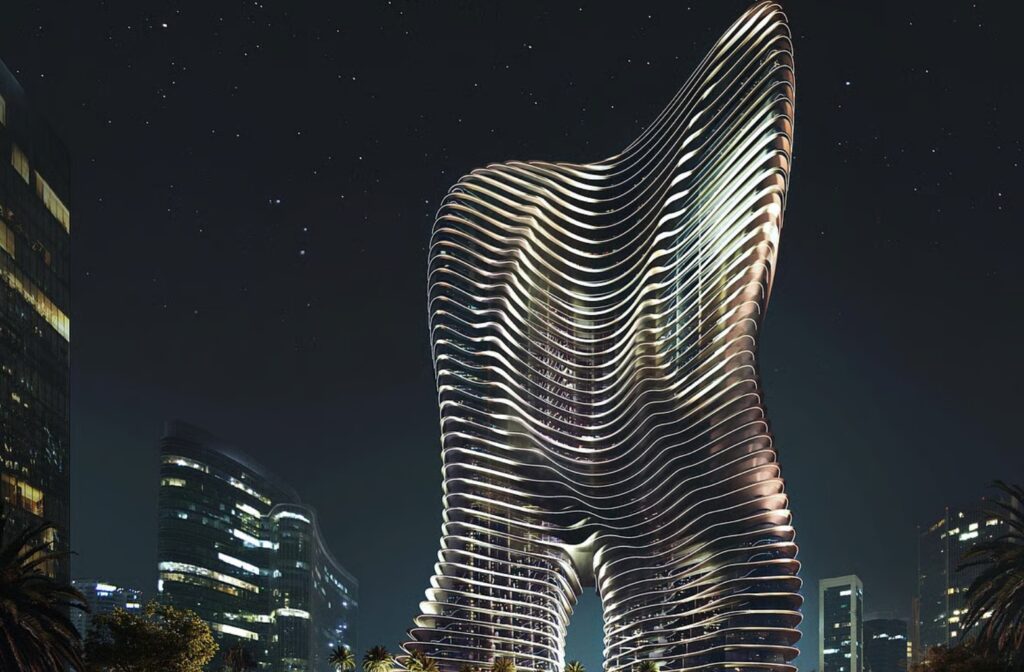
Dubai has been recognised as the global capital of “branded residential units” and has led this segment over the past decade with 160% growth. In 2024 alone, more than 13,000 branded units worth AED 60 billion were sold, showing 43% growth compared with the previous year and accounting for 8.5% of Dubai’s total property transactions. Buyers pay 40% to 60% more per square foot for these units in order to benefit from luxury services and investment returns. More than 140 branded projects are under construction by 2031, and Dubai has overtaken markets such as Miami, London and Phuket with 100% foreign ownership, zero tax and the investment Golden Visa. Developers such as Binghatti (Bugatti), Arada (Armani) and Select Group (Six Senses), together with major organisations including Emaar, Meraas and Nakheel, are driving this path towards redefining the luxury market and Dubai’s outperformance of markets such as Miami, London and Phuket.

Dubai Real Estate Market Report 2026

How has Dubai's property market changed in the eight months following the start of regional tensions?

Explore transaction activity, resale prices, rental trends and economic developments in Hamed Ghelichkhani's latest report.