News

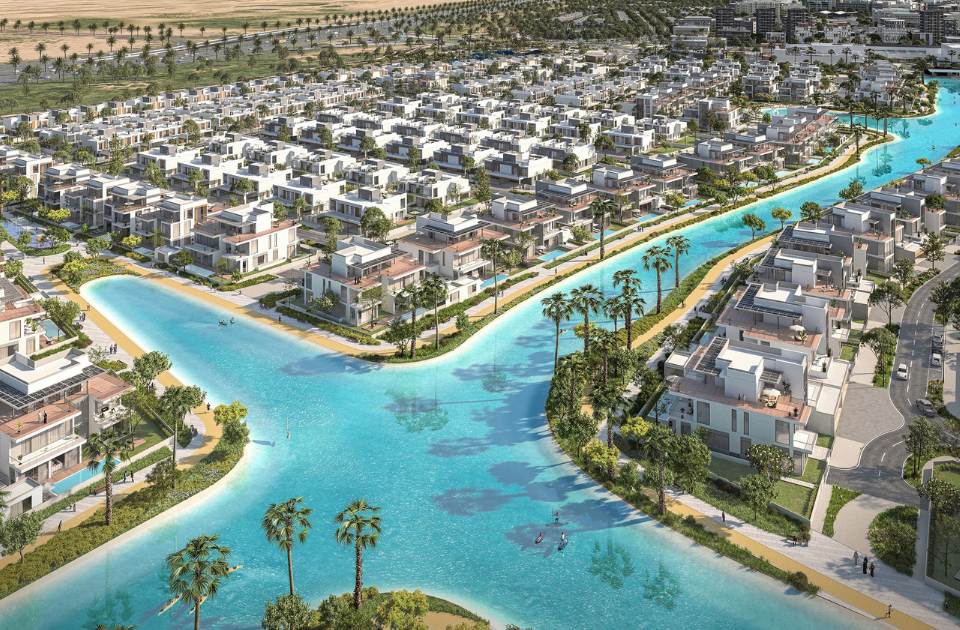
Dubai South’s property market has seen remarkable growth: property sales in 2024 reached AED 16.1 billion, and in the first five months of 2025 alone this figure exceeded AED 15 billion. The mean annual rent in 2025 saw a 20% jump, and demand for buying and leasing also increased by more than 20% on a monthly basis. This rapid growth is tied to the AED 128 billion development of Al Maktoum International Airport (Dubai World Central), including the signing of a AED 1 billion contract for the construction of a second runway and future transport projects such as the Blue Line metro and the Al Ittihad railway, which have significantly improved connectivity and turned Dubai South into an attractive hub for investment and living. Analyses predict that in the short term we will see a further 15-20% rise in prices.
The Emaar Properties station on Dubai Metro’s Blue Line, at 74 metres high, will be the world’s tallest metro station. This three-level station, designed by SOM (the architects of Burj Khalifa), features tall walls, glass ceilings to bring in natural light, and the use of materials such as Ghurair stone, bronze and granite. The project is described as a “gateway to the future” and is accompanied by facilities such as electric vehicle charging, parking and green space. It is forecast to serve 160,000 passengers a day by 2040, up from around 70,000 at the outset. The 30-kilometre Blue Line will be launched with 14 stations, including Dubai’s first metro bridge over the creek, and will significantly reduce traffic and promote sustainable transport.
The UAE property market in 2025 is witnessing broad-based growth that has gone beyond Dubai’s off-plan residential market. In the first quarter, the office market was record-breaking; office vacancy rates reached 8.6% in Dubai and just 2.3% in Abu Dhabi, indicating rising demand for premium spaces. Residential transactions also grew strongly; in Dubai alone, more than AED 115.6 billion in sales was recorded in Q1, and in May almost AED 66.8 billion was registered across more than 18,700 transactions—with primary ready unit sales up 314% and the secondary market up 21%. The industrial and logistics sectors also saw warehouse rents rise by approximately 11 to 12%. The retail market also rebounded, with rents in prime shopping centres up 29.5%, and the hospitality sector was strengthened by high occupancy and average daily rate (ADR)—thereby increasing overall confidence in the property market.
Dubai has introduced new digital services that allow tenants to register their tenancy agreements through WhatsApp and the Aqari platform. This initiative, carried out in cooperation with Injaz, the real estate registration company, and Dubai Land Department, removes the need for in-person visits by enabling full online registration. Around 10 service representatives are available via WhatsApp to help users document and update tenancy agreements. The Aqari platform, launched in August 2024, initially supported services such as title deed amendments and property valuation, and now also includes tenancy registration. This development is part of Dubai’s wider move towards digitising government services, providing greater convenience for tenants and landlords.
Circle Internet Group, the issuer of the USDC stablecoin, has confirmed the United Arab Emirates’ important role in shaping US digital asset policy. Heath Tarbert, the company’s chairman and a former US Treasury official, pointed to the active involvement of financial officials in Dubai and Abu Dhabi in informing US regulators. This collaboration highlights the UAE’s growing influence in global fintech and its commitment to developing a strong ecosystem for digital assets. Circle’s recent initial public offering on the New York Stock Exchange, which raised more than USD 1 billion and lifted the company’s valuation to about USD 6.8 billion, reflects the growing legitimacy and attention digital assets are receiving from global regulators.
The United Arab Emirates is rapidly becoming a global destination for high-net-worth individuals, attracting 7,200 millionaires in 2024 alone—a significant increase from 4,700 in 2023 and 5,200 in 2022. This increase is attributed to factors such as the absence of income tax, political stability, high returns on property investment and a high-quality lifestyle. The UAE currently hosts around 130,500 millionaires, making it the 14th largest wealth market in the world. The country’s net worth reached USD 2.9 trillion in 2023, up 10% from the previous year and ahead of the regional average. With around 81% of financial wealth investable—expected to rise to 83% by 2028—the UAE offers significant opportunities for wealth managers and investors.
Despite fluctuations in the global economy, the economic outlook for the United Arab Emirates remains positive. This stability is driven by growth in energy production, tourism expansion (19 million visitors in Dubai in 2024), population growth, and the implementation of 3,500 infrastructure and real estate projects. The United States’ 25% tariffs on metals may limit non-oil sector growth, but the United Arab Emirates has maintained its position through exports of 350,000 tonnes of aluminium to the United States in 2024. Large-scale investments, including the United States’ USD 1.4 trillion plan for aluminium smelting, and the UAE’s trade and financial diversification help reduce risks. The government intends to raise FDI to USD 65 billion by 2031. Dubai’s 2033 strategy also focuses on increasing home ownership and the share of real estate in GDP. Oil production will reach 3.27 million barrels by 2026 and 5 million barrels by 2027. With AED 28 billion allocated for social development and AED 2.6 billion for logistics in the 2025 budget, and forecast growth of 4.6% by 2026, the United Arab Emirates will remain a regional leader.
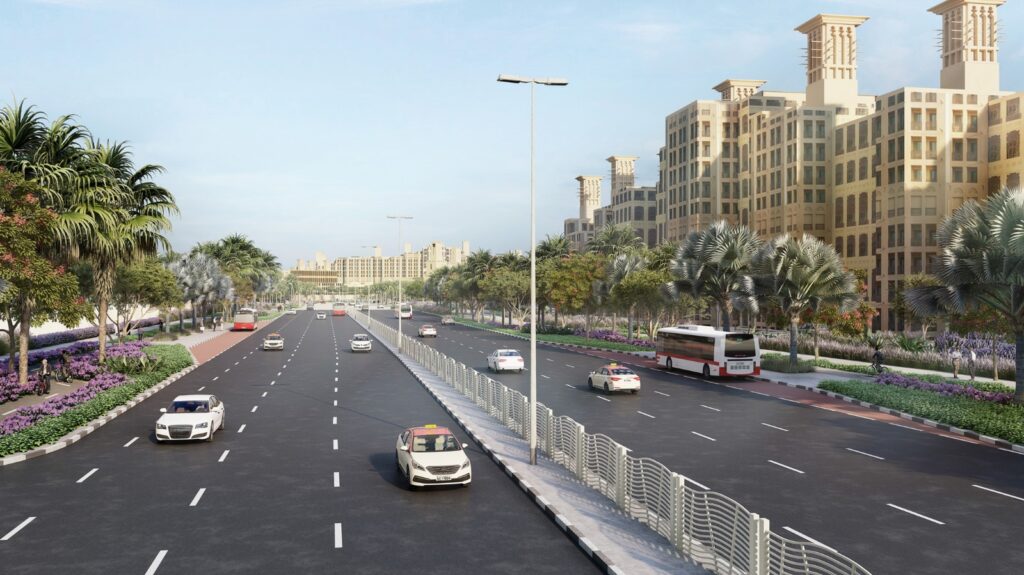
Dubai’s Roads and Transport Authority (RTA) has announced a comprehensive project to upgrade Umm Suqeim Road from its junction with Jumeirah Street to Al Khail Road. This initiative is part of a broader plan to improve the Umm Suqeim–Al Qudra corridor, facilitating uninterrupted traffic flow along 20 km. The project includes the construction of four bridges and three tunnels at six key junctions, in particular with Jumeirah Street, Al Wasl Road, Sheikh Zayed Road, First Al Khail Street, Al Aseel Street and Al Khail Road. These improvements are expected to increase the road’s capacity to 16,000 vehicles per hour in both directions and reduce travel time between Jumeirah Street and Al Khail Road from 20 minutes to just six minutes. In addition, the project includes updated pavements, dedicated cycling tracks and vibrant urban spaces to enhance social interaction. A direct connection between the Mall of the Emirates Metro Station and the adjacent residential areas is also planned to provide seamless access to public transport.
Emaar is investing about AED 2.98 billion in the purchase of land in Ras Al Khor from a property investment company that is selling non-core assets as part of its financial restructuring. This purchase is aligned with Emaar’s strategic growth objectives and helps expand the company’s land portfolio to support future projects in the luxury real estate sector. The transaction is expected to be finalised by 31 July 2025. Notably, Emaar’s backlog reached AED 127 billion by the end of the first quarter of 2025, up 62% year on year, driven by strong investor interest in recent projects such as “The Valley” and “The Oasis”.

Dubai Real Estate Market Report 2026

How has Dubai's property market changed in the eight months following the start of regional tensions?

Explore transaction activity, resale prices, rental trends and economic developments in Hamed Ghelichkhani's latest report.