News

The United Arab Emirates has introduced a 10-year “Blue Residency” residence visa to attract people who have played a prominent role in environmental protection and sustainability. Eligible applicants include scientists, researchers, investors, entrepreneurs, inventors and specialists in sustainability, energy and climate change. Applications can be submitted through the online platform of the Federal Authority for Identity, Citizenship, Customs and Port Security. The application process includes submitting a nomination application with a fee of AED 350 and then submitting the visa application after approval. Required documents include proof of activity in environmental fields, a valid passport and a recent personal photograph. For people outside the United Arab Emirates, a 6-month multiple-entry entry visa can be obtained to complete the residency process
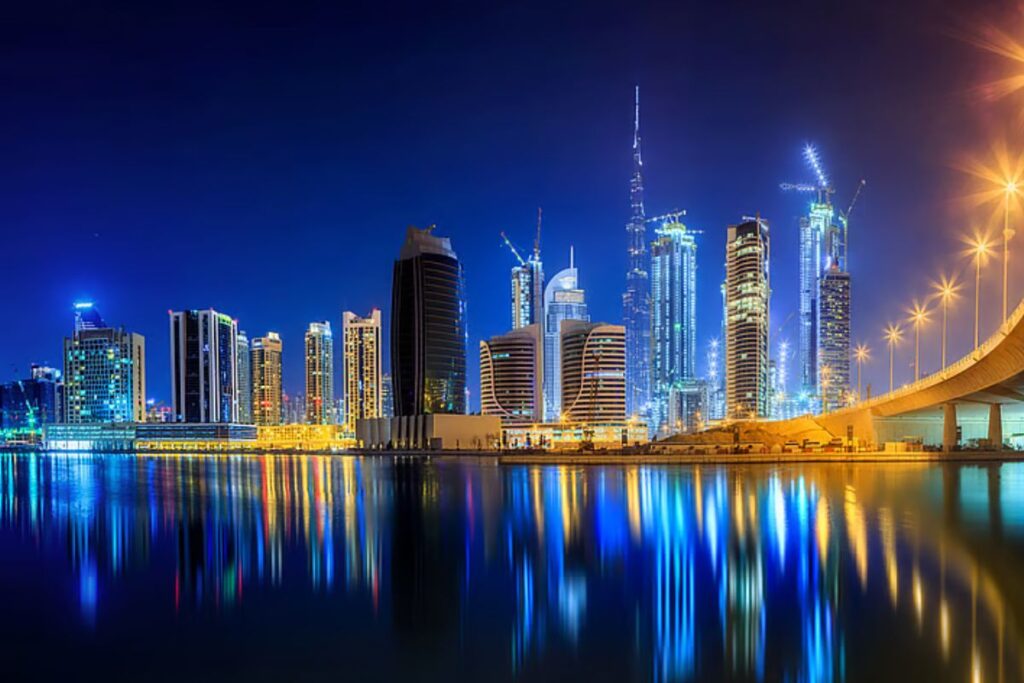
Dubai’s property market experienced significant growth in April 2025, with both property sales and rental rates increasing due to sustained demand. This rise is attributed to factors such as the city’s economic stability, attractive investment opportunities and the continued arrival of expatriates. Analysts suggest that this trend may continue in the short term, although some moderation is possible as more residential units enter the market.
In the 2025 United Nations Human Development Index (HDI) report, the United Arab Emirates, with a score of 0.94, reached 15th place globally and first place regionally. The country is now ranked above the United States, Canada, Japan and South Korea, and is the only Arab country in the global top 20. The UAE’s mean life expectancy is 82.9 years, mean years of schooling is 13 and per capita income is reported at USD 71,142. The UAE also ranked third globally in 2023 in attracting specialists in artificial intelligence and has been presented as a hub for innovation and inclusive growth in the digital age.
Dubai’s property market is forecast to maintain annual growth of between 3% and 7% until 2033, driven by global demand and strategic initiatives such as the “Dubai Real Estate Sector Strategy 2033”. This strategy has been designed to double the real estate sector’s share of the emirate’s gross domestic product, increase home ownership and raise market value to more than AED 1 trillion. Key factors supporting this growth include investor-friendly policies, a strong regulatory framework and the maturity of the investment market. In addition, the market is seeing a shift towards more affordable residential properties, with units priced below AED 2 million accounting for 74% of transactions in the previous quarter. The focus on compact living spaces and rising demand for rentals points to a strong and resilient market that is ready for sustained expansion.
In 2024, 60% of property transactions in Dubai were related to off-plan projects, which helped to drive a 35.5% increase in property transactions. From January to April 2025, Dubai recorded AED 159.69 billion in sales, and total property transactions reached AED 216.3 billion, showing a 29.19% increase compared with Q1 2024. This growth is due to affordable payment plans, capital growth potential and population growth. The upcoming property exhibition from 16 to 18 May at Bluewaters Forum will bring together more than 20 developers, including Nakheel, DAMAC and Emaar, and will provide opportunities to discover new projects and exclusive deals.
In April, Dubai’s property market reached a new record in monthly sales value of AED 62.4 billion, which is 95.3% higher than in the same month last year. This growth was driven by strong demand for luxury properties and notable sales in off-plan projects. Emaar Properties and Aldar Properties led this trend, with Emaar shares rising by 8.55% to AED 3.30. The overall performance of the property sector pushed the Dubai Financial Market index to its highest level in three years.
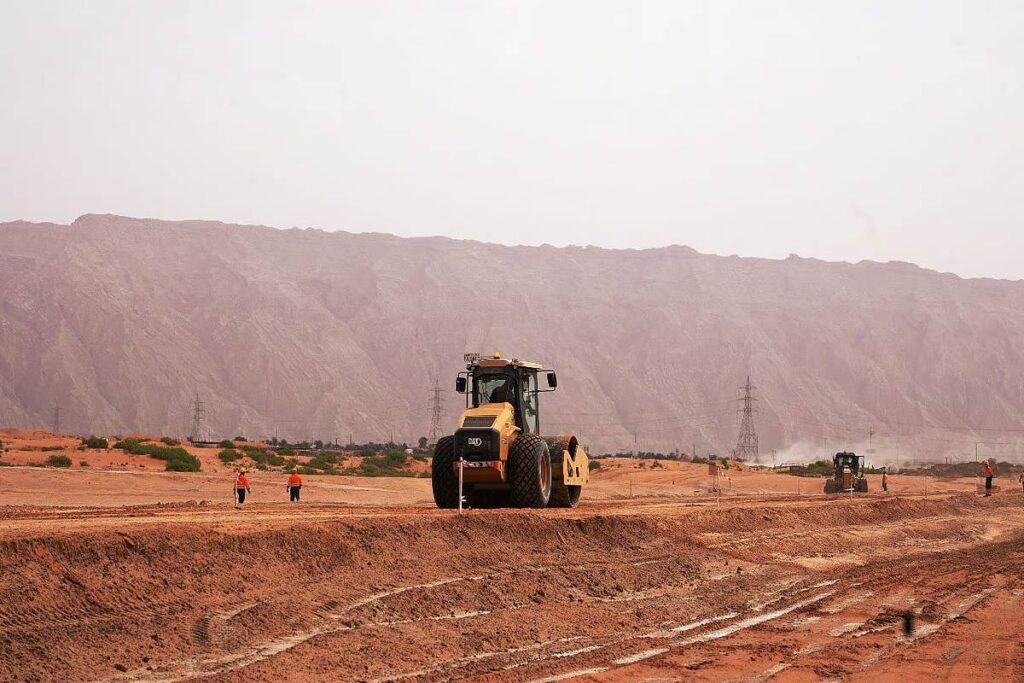
The joint Oman and UAE rail project is progressing rapidly, and this USD 2.5 billion scheme is set to significantly improve trade and transport between the two countries. The 303-kilometre network will connect Oman’s Sohar Port to the UAE’s national rail network. Officials emphasised the project’s role in strengthening economic ties, improving logistics efficiency and enhancing regional integration, and said that construction stages are actively under way.
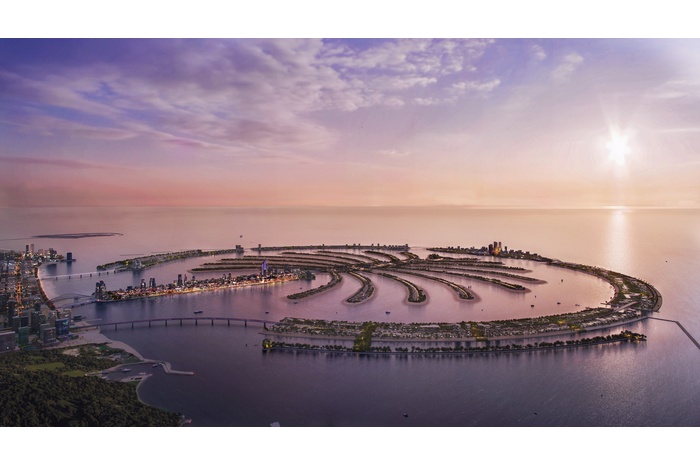
Dubai’s property market set a new record in April, reaching total sales of AED 35.4 billion, which indicates a significant rise in demand. Palm Jebel Ali led the way as the top-performing area with sales of AED 2.32 billion. This record-breaking month was shaped by transactions in both off-plan projects and ready properties, and it strengthened Dubai’s position as a global hot spot in the property market. Experts attribute this growth to investor confidence, infrastructure development and the appeal of luxury waterfront communities.
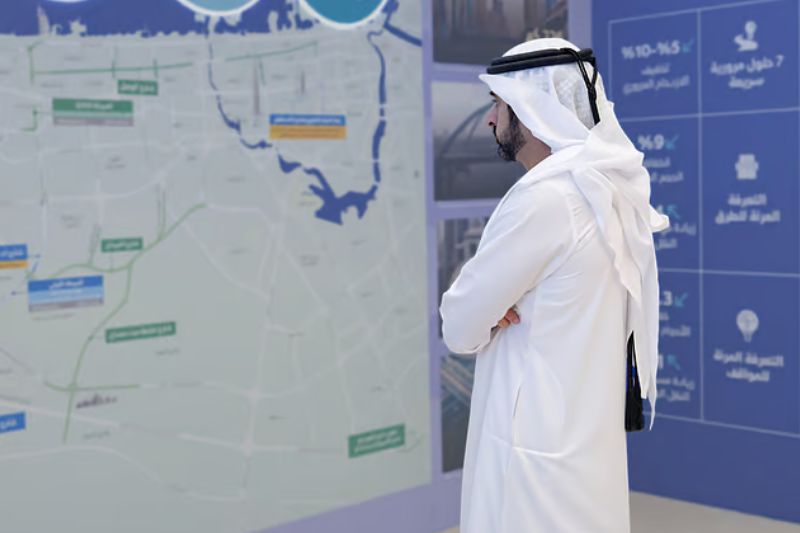
Dubai’s Roads and Transport Authority (RTA) has announced a comprehensive plan to upgrade 11 main road corridors by 2027, aiming to significantly reduce traffic congestion and improve connectivity across the emirate. These improvements are expected to reduce travel times by up to 70% in some areas and increase road capacity to accommodate 8 million people by 2040. Key projects include the development of new bridges, expansion of existing roads and the integration of smart traffic management systems to optimise flow and safety.

Dubai Real Estate Market Report 2026

How has Dubai's property market changed in the eight months following the start of regional tensions?

Explore transaction activity, resale prices, rental trends and economic developments in Hamed Ghelichkhani's latest report.