
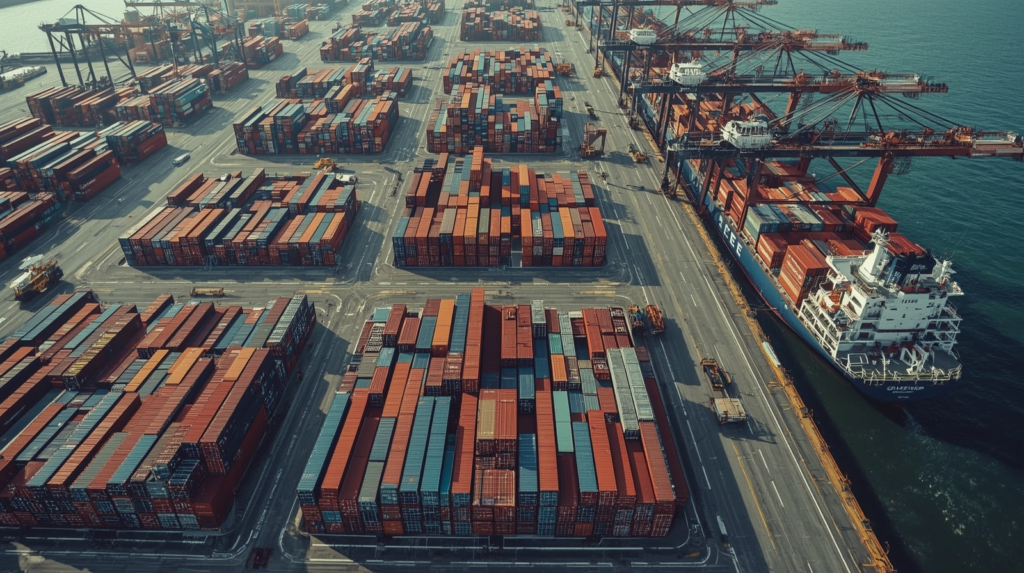
Jebel Ali Port in Dubai is not just a commercial port; it is a “logistics hub” through which a large part of the UAE’s import/export flow passes and, at the same time, because of its scale and location, it is also attractive to some tourists—not as a classic attraction like a tower or museum, but as an urban-industrial experience in the heart of Dubai. This port is introduced as the largest man-made harbour and, alongside Jebel Ali Free Zone, has created a complete ecosystem for trade, warehousing and transport. In this article on the Hamed Ghelichkhani website, “where Jebel Ali Port is”, its history and its key features are explained in practical terms.

Where Is Jebel Ali Port?
Jebel Ali Port is located in the southern/south-western part of Dubai, within the “Jebel Ali” area; a coastal location on the Arabian Gulf that was selected, from a logistics perspective, to be connected to the UAE’s highway network while also remaining close to Dubai’s air-land corridors. Jebel Ali Port is located in south-west Dubai, in the coastal area of Jebel Ali, and has a direct connection with the Dubai logistics corridor and the region’s main transport routes.
To quickly understand “Jebel Ali Port on the map”, these reference points help:
- Along the coast and on Dubai’s southern axis, close to Dubai’s Sea–Air logistics corridor.
- Structural connection with JAFZA and Al Maktoum Airport (DWC) within an integrated logistics corridor.
- From an urban perspective, “Jebel Ali in Dubai” is more of an industrial-logistics area than a classic tourist district.
Read more: 12 Important Ports in the UAE
A Brief Look at the History of Jebel Ali Port
The beginning of Jebel Ali Port goes back to the decision to develop Dubai’s maritime infrastructure; a port that was built to strengthen Dubai’s commercial capacities and later, with the formation of the free zone, its role went beyond being merely a port and became a complete trade ecosystem.
Condensed timeline (scannable):
- 1976: The order was issued to build a new port in Jebel Ali.
- 1979: Official opening of Jebel Ali Port (attended by Queen Elizabeth II).
- 1985: Establishment of Jebel Ali Free Zone (JAFZA) by Emiri decree and the start of the formation of a commercial hub around the port.
Features of Jebel Ali Port; the Largest Man-made Harbour
The defining feature of “Jebel Ali port” is its scale and function: a port that competes globally in terms of its shipping-line network, container capacity and variety of terminals. In DP World’s official introduction, Jebel Ali Port is described as the largest man-made harbour and a leading maritime hub, covering more than 80 weekly services and connected to 150+ ports worldwide.
Key numbers and capabilities (quick snapshot):
| Indicator | Value/status |
| Annual container capacity | 19.4 million TEU across 4 terminals |
| Berths and quay length | More than 100 berths and 25 kilometres of quay length |
| Service network | 80+ weekly services to 150+ ports |
| Terminal diversity | Container terminals + Breakbulk, Ro-Ro and Heavy-lift terminals |
| Industry recognition | Selected as “Best Seaport in the Middle East” for 24 consecutive years (according to the official introduction) |
A few points that make this port “distinctive”:
- It is not “containers only”; it also has dedicated infrastructure for various types of project and heavy cargo.
- Instead of operating separately, it functions within an integrated logistics network with the free zone and Dubai’s air-land corridor.



Jebel Ali Free Zone (JAFZA); the Beating Heart of Dubai Trade
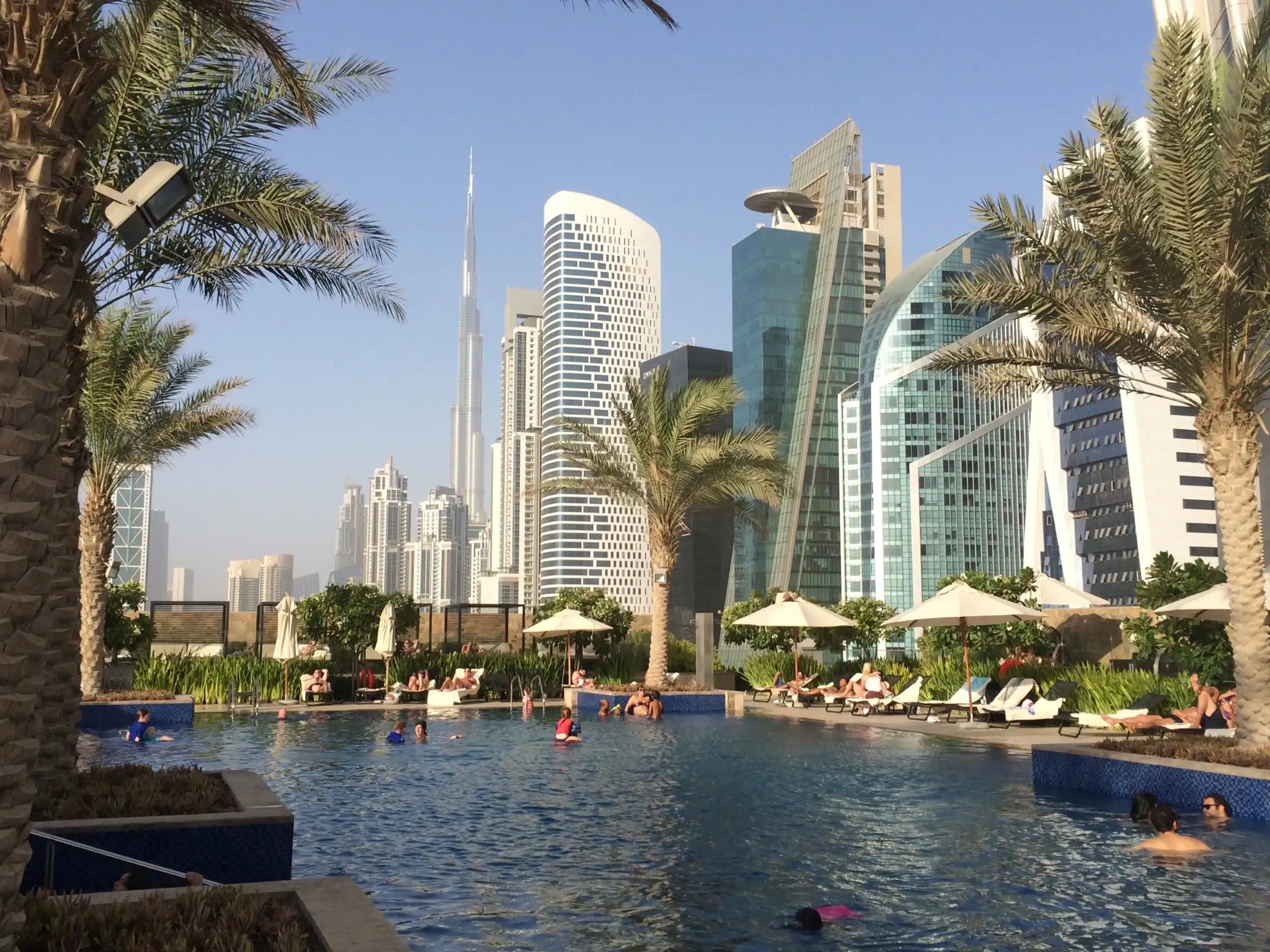
Jebel Ali Free Zone (JAFZA) is, in practice, the “complementary engine” of Jebel Ali Port in Dubai; that is, a place where companies can manage their supply chain faster and with less friction, with ready infrastructure (warehouse, office, industrial land), simpler customs processes and direct access to the port. JAFZA’s main advantage is that it is not just an industrial zone; it is a complete ecosystem for import/export, logistics, light manufacturing, regional trade and regional offices of international companies.
Read more: Introducing Dubai
A few key indicators (to understand the scale):
| Indicator | Number/status |
| Number of businesses | More than 11,000 companies |
| Presence of major companies | 100+ companies from the Fortune Global 500 |
| Registered trade volume | Around USD 190 billion (for 2024) |
| Role in Dubai’s economy | The “integrated Jebel Ali ecosystem”, together with the port, up to 36% of Dubai’s GDP (according to the official narrative) |
Who benefits most from JAFZA?
- Import/export companies for which clearance speed and port access are critical.
- Brands that want to build a “regional distribution centre” for the GCC, Africa and South Asia.
- Businesses that want the combination of “warehouse + office + maritime transport” in one place.
Tourist and Leisure Attractions in Jebel Ali
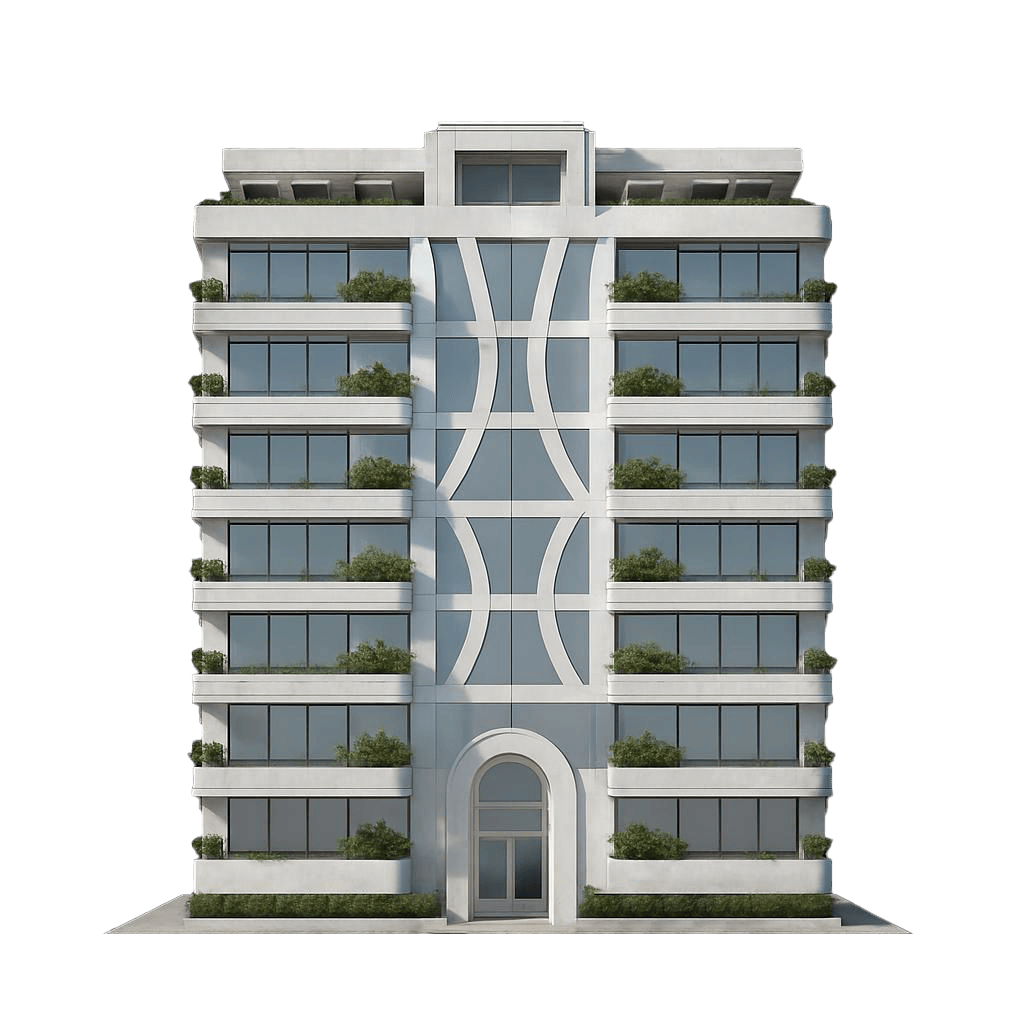
Jebel Ali in Dubai is inherently a port-logistics area, so its tourism experience is defined more as “near-Jebel-Ali”: family-oriented leisure, coastal complexes and major waterfront projects along this southern axis of Dubai. If the aim is to enter the operational areas of the port or JAFZA, this entry is usually through a gate pass, prior coordination and the host company/destination.
Key leisure options around Jebel Ali (plannable for half a day to one day):
- Dubai Parks and Resorts (theme parks and family entertainment)
- Location: on Sheikh Zayed Road (E11), “near Jebel Ali” and between Dubai and Abu Dhabi.
- The Outlet Village
- Next to Dubai Parks and Resorts; suitable for combining “leisure + shopping” on one route.
- JA The Resort / JA Beach Hotel (beach leisure and resort stay)
- Views over the gulf and “Palm Jebel Ali”, and a private marina, are among the stated features of the complex.
- Jebel Ali Beach Development project (public beach under development/planning)
- In the approved plan, sections such as a swimmable beach (2 kilometres), a diving sports zone (2.5 kilometres), a walking route with viewing platforms, a running track and parking infrastructure have been forecast.
- Palm Jebel Ali (overall project view and visual experience)
- It has been introduced as a new masterplan by Dubai Media Office, and in 2025 Nakheel also announced the launch of a collection of beachfront villas there; for those interested in large-scale coastal developments, this project has value for “seeing and monitoring”.
Read more: Cities of the UAE
Markets and Shopping Centres in Jebel Ali
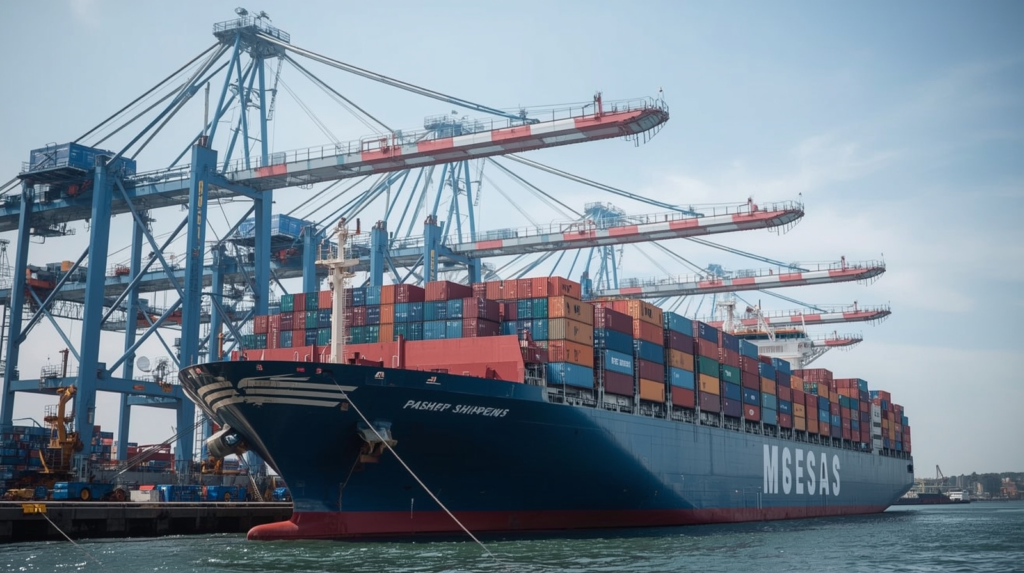
In response to “Jebel Ali market in Dubai”, it is important to be realistic: Jebel Ali is more of an industrial/commercial expanse than an area with a traditional market. However, there are several important shopping centres along the Jebel Ali axis that cover daily needs and family shopping—especially near Jebel Ali 1 and the E11 route.
Important shopping centres near Jebel Ali (in order of usefulness):
- Dubai Festival Plaza (Jebel Ali)
- A practical option for home and lifestyle shopping; the presence of IKEA in this centre is officially mentioned.
- Ibn Battuta Mall
- Introduced as being on Sheikh Zayed Road and near Interchange 6 (Jebel Ali 1); it is a reliable choice for general shopping, food and family entertainment.
- The Outlet Village (Mina Jebel Ali)
- Next to Dubai Parks and Resorts; suitable for shopping brands at discounted prices and a half-day plan.
If the aim is a “traditional market”: along the Jebel Ali axis, an experience like the old markets of Deira is usually not found; this type of experience is found more in old Dubai and around the Creek.
Read more: Dubai Palm Islands

Access routes to Jebel Ali
To reach Jebel Ali in Dubai (whether for the port and free zone, or for the leisure and shopping venues around it), there are three main routes: car (the most practical for direct travel), the Red Line metro + taxi/bus and city bus. The important point is that “Jebel Ali port on the map” is a large industrial-logistics area, and the exact destination (port, JAFZA, Dubai Parks, or shopping centres) changes the route.
1) By car (fastest for port/industrial destinations)
- Main route: Sheikh Zayed Road (E11) towards southern Dubai and the exits for Jebel Ali / JAFZA / Dubai South
- For some destinations, using E311 or the internal roads of “Dubai South” can help manage travel time better during peak hours.
2) By metro (Red Line)
- Life Pharmacy Metro Station (the new name for the former UAE Exchange station) is the nearest metro station to the JAFZA axis.
- National Paints Metro Station (the new name for Jebel Ali station) is on the Red Line and within the Jebel Ali industrial area.
- For precise route planning and metro+bus combinations, the official RTA journey planner is the most practical option.
3) Bus and metro + bus combinations
- For destinations inside JAFZA and nearby areas, usually part of the journey is made by metro and a short section by bus/taxi (the Red Line terminal stations on this axis play a key role).
Read more: Types of Dubai visas
Why is visiting Jebel Ali worthwhile?
Jebel Ali is not a classic tourist attraction for everyone; it is more worthwhile for those interested in the scale of global infrastructure, port engineering, logistics and major urban projects. Jebel Ali Port in the United Arab Emirates is known on a global scale, and that feature creates a different experience of “Dubai beyond the towers” for some visitors.
On the other hand, even if access to the port’s operational areas is not open to the public, the area around Jebel Ali offers a set of “leisure + shopping + beach” options that can fill half a day or a full day. The combination of this area with the major projects around it (such as coastal developments and new projects) is practically appealing for those interested in Dubai’s growth trend.
What type of visit is most worthwhile?
- Industrial/professional visit: for those who are going to enter the port/JAFZA area with a company or event (requires coordination and a permit).
- Urban/leisure visit: for those who want to see southern Dubai: the nearby shopping centres, beach resorts, or theme parks close to Jebel Ali.
- Short and practical visit (shopping): if the aim is the “Jebel Ali market in Dubai” and shopping, nearby axes such as Festival Plaza or Ibn Battuta are more accessible.
Frequently asked questions about Jebel Ali Port
Where is Jebel Ali Port?
Jebel Ali Port is in south/south-west Dubai and within the Jebel Ali coastal area, and in practice it is known for Dubai’s logistics ecosystem (the port + JAFZA + highway routes).
What is the capacity of Jebel Ali Port?
The annual container capacity of Jebel Ali Port in DP World’s official introduction is stated as 19.4 million TEU.
Is public access to Jebel Ali Port possible?
The port’s operational areas usually do not have open public access, and entry is generally subject to prior coordination and a permit (Gate Pass); therefore, for an actual visit inside the port, the purpose and entry route must be specified.
If I need to enter JAFZA or controlled areas, how is a permit obtained?
For a one-day entry or a limited visit, the company/destination you are going to can usually arrange the Day Pass; permit-issuing systems (such as Tasreeh) have also been introduced for managing entry to related areas.
What is the best public transport route to reach Jebel Ali?
In many scenarios, the best option is the Red Line metro to the terminal stations on this axis: Life Pharmacy Metro Station (formerly UAE Exchange) or National Paints Metro Station (formerly Jebel Ali), and then a taxi/bus depending on the exact destination.
Where is the Jebel Ali market in Dubai, and where is better for shopping?
Jebel Ali is mostly industrial, but for shopping, nearby axes such as Dubai Festival Plaza and also Ibn Battuta Mall (on Sheikh Zayed Road and near Jebel Ali 1) are more common choices.
What should I do to plan the exact route (from the hotel/home to a destination inside Jebel Ali)?
The best approach is to specify the exact destination (for example, “JAFZA Gate”, “Port Gate”, “Festival Plaza” or a company name) and check the route with the official RTA planner so that the exact metro/bus/walking route for that day is shown.
Final words
Jebel Ali Port in Dubai and the Jebel Ali area are a different destination in Dubai: a combination of global infrastructure, trade and major urban projects. If the aim is to “see the port”, planning must be realistic because access to the operational areas is usually permit-based; but if the aim is to “experience southern Dubai”, a set of shopping and leisure options near Jebel Ali can turn the visit into a complete and cost-effective programme.
